Timeline
Data: The Ever-Expanding Frontier
1607

1619
Enslaved Africans brought to Point Comfort, Virginia
The 1619 Landing — Report & FAQs
1640
Lifetime enslavement used as punishment for a crime
1662
Partus Sequitur Ventrem (or, literally, “offspring follows belly”) law ensures multigenerational bondage
Jennifer Morgan, 'Partus Sequitur Ventrem’
Law, Race, and Reproduction in Colonial Slavery (pdf)
1664
First slavery codes begin trend of making African servants slaves for life
1676
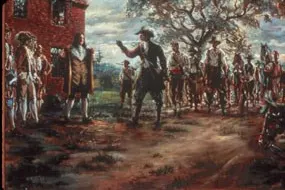
Bacon's Rebellion
1677
First recorded prosecution against strikers in New York City
1680
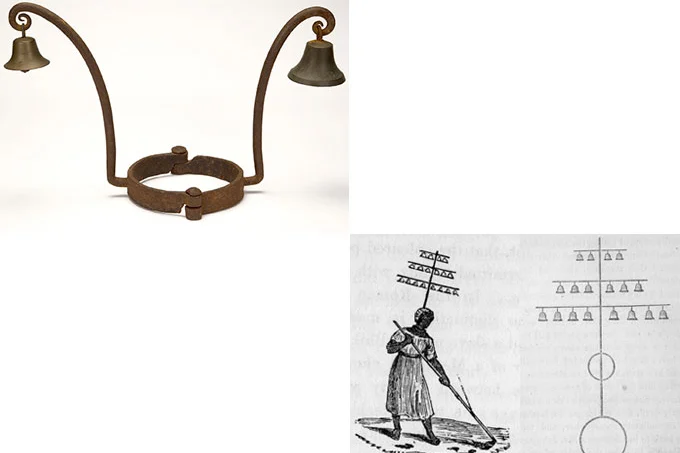
Virginia hypersurveillance law enacted: an act for preventing Negroes Insurrections
1773
Laborers protest royal taxation in the Boston tea Party
1775
American Revolution begins
1786
Philadelphia printers conduct first successful strike for increased wages
1787
United States Constitution adopted
1790
William Pollard is issued the first patent for a machine that roves and spins cotton
1794
Eli Whitney patents gin that combs and deseeds cotton, contributing to the rise of King Cotton
1808
Slave importation from outside the U.S. prohibited
1834
First turnout of "mill girls" in Lowell, Massachusetts protesting wage cuts
1844
Samuel F.B. Morse demonstrates the telegraph
1846
Richard M. Hoe creates the cylinder printing press
1847
New Hamsphire enacts first state 10-hour-day law
1848
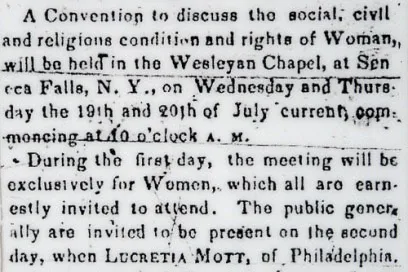
Seneca Falls women's rights convention
1865
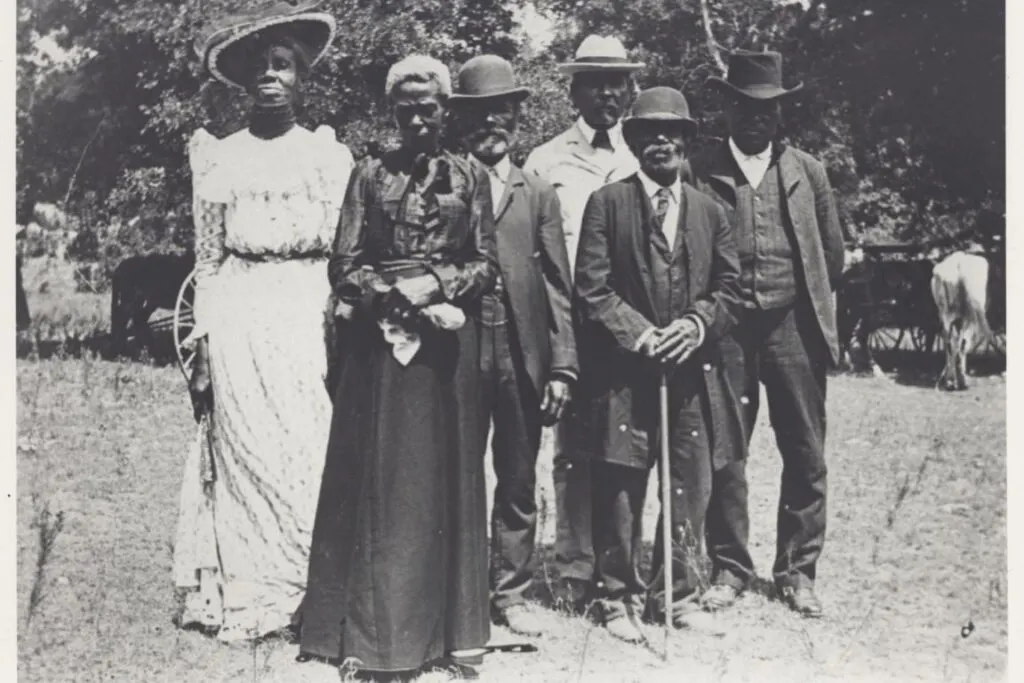
13th Amendment to the Constitution abolishes enslavement in the United States except as punishment for a crime
2,000 Union Army troops arrive in Galveston, Texas to announce an executive decree that freed the 250,000 African American laborers still held in bondage by the Confederacy after the Civil War.
1866
National Labor Union founded
1867
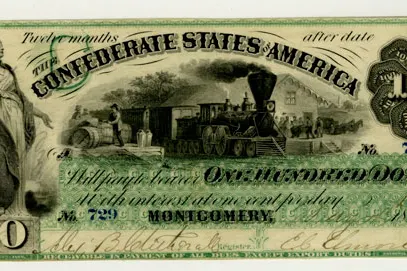
Congress begins Reconstruction efforts in former Confederacy
1869
Noble and Holy Order of the Knights of Labor and Colored National Labor Union formed
1870
15th Amendment to the Constitution adopted; the right to vote may not be abrogated by color
1873
Christopher Latham Sholes invents and sells typewriter prototype
1876
Alexander Graham Bell patents telephone with the help of Thomas A. Watson
1877
Thomas Edison and a team of engineers create the phonograph
1879
Edison perfects the incandescent lightbulb
1882
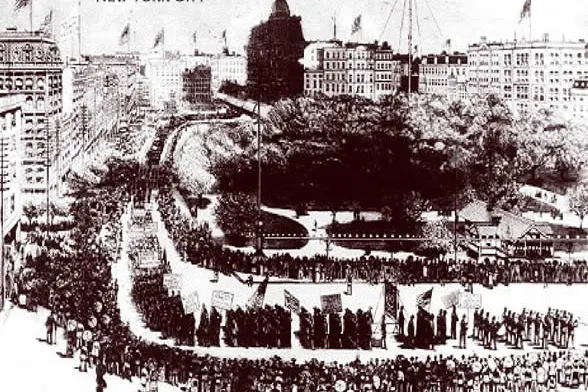
Federation of Organized Trades and Labor Unions formed
First Labor Day parade in New York City
Congress passes Chinese Exclusion Act, which suspended the immigration of Chinese laborers for ten years - the first act to place broad restrictions on immigration
1866
American Federation of Labor founded
1892
Brothers Frank and Charles Duryea fabricate the first gas-powered automobile built in the U.S.
1894
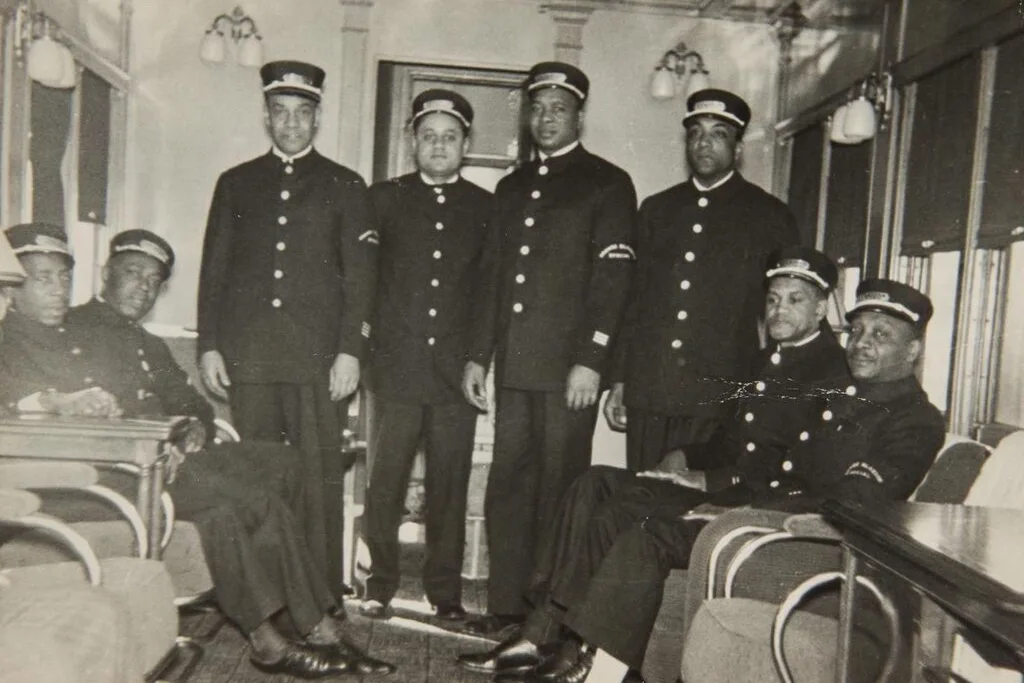
Boycott of Pullman sleeping cars leads to general strike on railroads
1900
U.S. Industrial Commission declares trade unions good for democracy
1902
Willis H. Carrier designs the first air conditioning system
1905
Industrial Workers of the World founded
1909
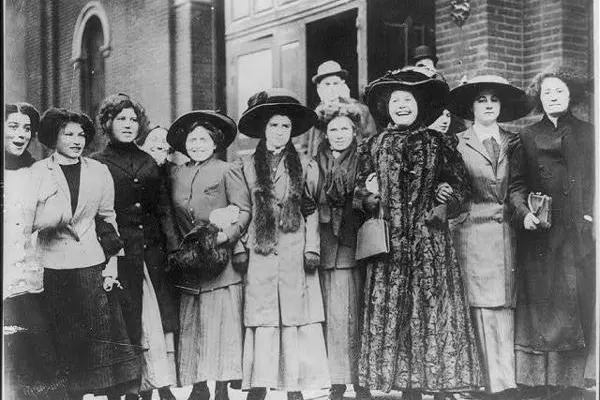
Uprising of the 20,000 female shirtwaist makers in New York strike against sweatshop conditions
1911
Triangle Shirtwaist factory in fire in New York kills nearly 150 workers
New York passes Sullivan-Hoey Fire Prevention Law requiring factory owners to install sprinkler systems, established the New York City Fire Prevention Bureau, and expanded the powers of the fire commissioner
1912
Bread and Roses strike begun by immigrant women in Lawrence, Mass., ended with 23,000 men and women and children on strike and with as many as 20,000 on the picket line
Bill creating Department of Labor passes at the end of congressional session
1920
19th Amendment to the Constitution adopted; the right to vote may not be abrogated by sex
1921
First electronically-transmitted photograph
1927
Philo Farnsworth demonstrates the first television
1929
Forced deportation and family separations of 2,000,000 Mexican-Americans. Estimates indicate 60% were American citizens
The New Deal in Three Minutes
Anti-Latino Discrimination in America
America’s Forgotten History of Illegal Deportations
The U.S. Deported a Million of Its Own Citizens to Mexico During the Great Depression
1933
President Franklin Roosevelt proposes New Deal programs to Congress
1935
National Labor Relations Act and Social Security Act passed
1938
Fair Labor Standards Act establishes first minimum wage and 40-hour week
History Of The 40-Hour Workweek
More leaders are scrapping the 40-hour workweek
That time America almost had a 30-hour workweek
Why Do We Work 40 Hours A Week?
1939
John Atanasoff and Clifford Berry complete the prototype for the first digital computer
1940
The Complex Number Calculator is demonstrated by George Stiblitz
1941
A. Philip Randolph threatens march on Washington to protest racial discrimination in defense jobs
1942
Enrico Fermi's University of Chicago team produces the first controlled, self-sustaining nuclear chain reaction
1943
Professor Howard Aiken and IBM complete the Harvard Mark 1
1945
Team led by J.R. Oppenheimer, Arthur H. Compton, Enrico Fermi, and Leo Szilard detonates the first atomic bomb
1946
Largest strike wave in U.S. history
1947
Taft-Hartley Act restricts union member' activities
1948
Frederic Williams, Tom Kilburn, and Geoff Toothill develop the Small-Scale Experimental Machine - the first to run a computer program
1951
The Eckert and Mauchly Computer Company sells first commercial computer
1957
Dr. Albert Sabin develops a polio vaccine, helping put an end to epidemics worldwide
1959
Labor Management Reporting and Disclosure Act (Landrum-Griffin) passed
1960
Theodore H. Maiman creates the first laser with a manmade ruby
1962
President John Kennedy's order gives federal workers the right to bargain
1963
March on Washington for jobs and Justice
1964
Civil Rights Act bans institutional forms of racial discrimination
1965
Executive Order 11246 prohibits discrimination by federal contractors and subcontractors on account of race, color, religion, sex, or national origin and requires affirmative action by federal contractors
1968
Age Discrimination in Employment Act prohibits employers from discriminating on the basis of age
1969
Neil Armstrong walks on the moon
1970
Occupational Safety and Health Act passed
1973
Rehabilitation Act of prohibits employment discrimination on the basis of disability by the federal government, federal contractors with contracts of more than $10,000, and programs receiving federal financial assistance
1974
The Vietnam Era Readjustment Act requires affirmative action for disabled and Vietnam era veterans by federal contractors
1975
Bill Gates and Paul Allen partner to create Microsoft
1976
Cray Research, Inc. introduces the Cray-1 supercomputer
1978
Bankruptcy Reform Act prohibits employment discrimination on the basis of bankruptcy or bad debts
Mandatory retirement is prohibited except for high-powered decision-making positions that also provide large pensions
1985
USDA approves the sale of the first genetically altered organism
1986
Immigration Reform and Control Act prohibits employers with more than three employees from discriminating against anyone (except unauthorized immigrants) on the basis of national origin or citizenship status
1990
Americans with Disabilities Act enacted to eliminate discriminatory barriers against qualified individuals with disabilities, individuals with a record of a disability, or individuals who are regarded as having a disability
How the ADA Changed the Built World
The Americans with Disabilities Act, Signing Ceremony
1993
The Nineteenth Century Civil Rights Acts, amended to ensure all persons equal rights under the law and outline the damages available to complainants in actions brought under Title VII of the Civil Rights Act of 1964, the Americans with Disabilities Act, and the 1973 Rehabilitation Act
1997
Pride at Work, a national coalition of lesbian, gay bisexual and transgender workers and their supporters, becomes an AFL-CIO constituency group AFL-CIO membership renewed growth
2012
Jennifer Doudna and Emmanuelle Charpentier develop CRISPR-Cas9
2016
An Act to Establish Pay Equity
Massachusetts becomes first state to ban employers from asking candidates about past salaries in an effort to combat pay inequality, resulting in 20 states doing the same
2018
Genetic Information Nondiscrimination Act bars employers from using individuals' genetic information when making hiring, firing, job placement, or promotion decisions
You Should Be Worried About Your DNA Privacy
The Genetic Information Nondiscrimination Act of 2008