By Shona Simkin
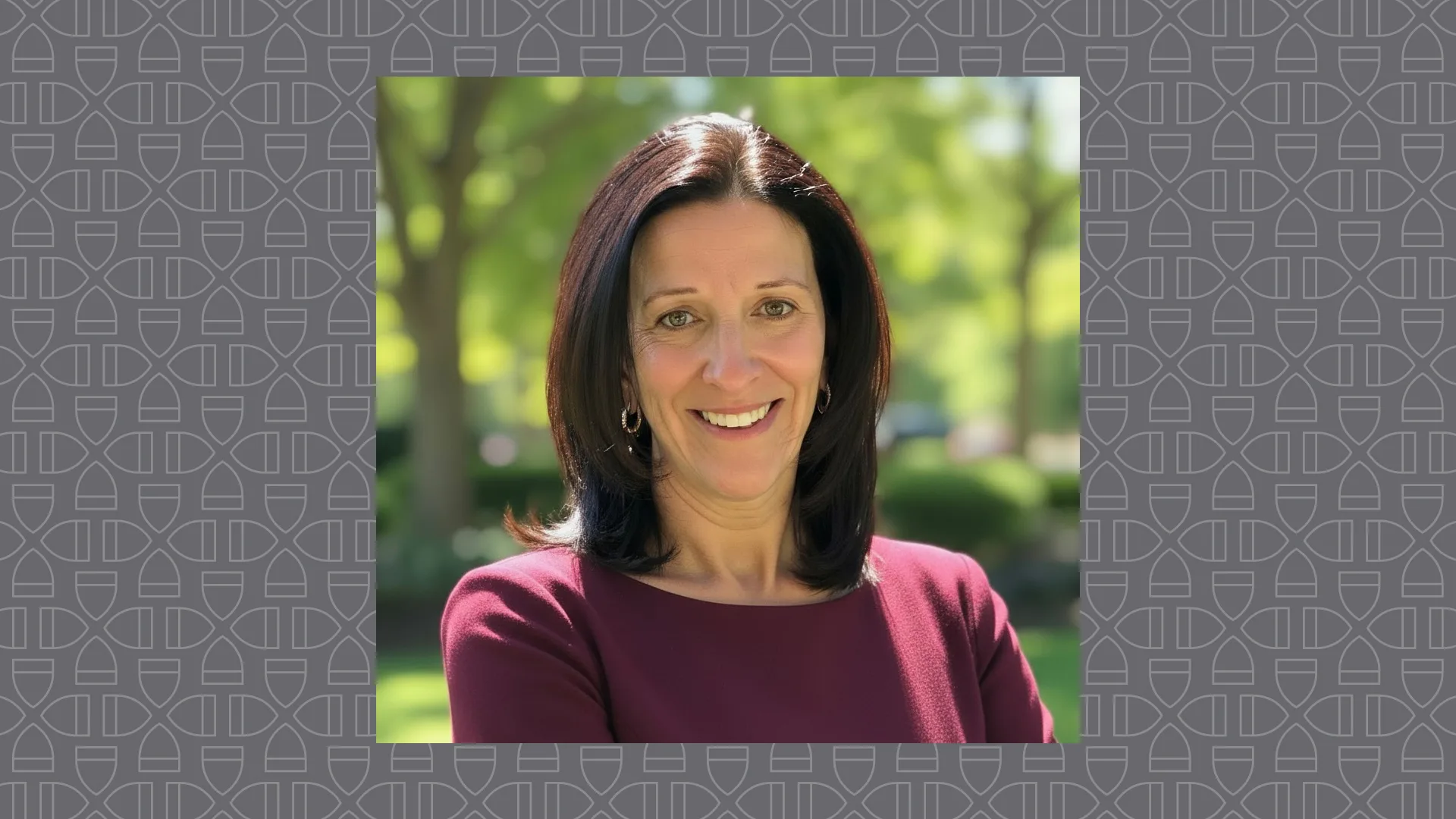
One year out of college, Kerry Cietanno took a chance on a job in fundraising at Harvard Business School. Twenty-eight years later, she reflects on her career path, what makes her work meaningful, and what has contributed to the longevity of her career.
Tell us about your career path.
I've been at Harvard for 29 years, at HBS for almost all of that time. After I graduated from college, I moved to Boston and started working at Harvard in an educational research project at the Graduate School of Education. About a year into that, I decided I liked working in higher ed, but I didn't love working in the grant-funded educational research space. I had a friend who worked in fundraising, and I thought it was something I'd be interested in doing. I applied for a job at HBS, and I've been here ever since.
What was it about higher ed fundraising that appealed to you?
I had worked in an administrative office doing work study in college, so I knew I liked working in higher education—I've always been a learner and a people person, so thought I would try it. I didn't know a whole lot about fundraising, but thought it would be an interesting career path, and it has turned out to be just that.
How did your career progress?
I’ve experienced every step along the way—starting as a staff assistant to a coordinator, then moving through roles as assistant director, associate director, director, and now senior director. For the first two thirds of my time at HBS, I helped grow the donor relations function from a team of one into a standalone department within External Relations (ER).
After starting my family—welcoming my daughter and, two years later, my son—I shifted into more strategic projects on the development and fundraising side. During that period, I reduced to a four-day schedule and stepped out of management for a time. Once my children were in school full-time, I transitioned back into management and a full-time role. I’m deeply grateful for the flexibility that allowed me to be more present at home while continuing to advance my career.
What does your day-to-day look like?
Much of my work focuses on developing gift opportunities—identifying areas of the School with funding needs and partnering with our frontline fundraisers to engage alumni interested in supporting them. I collaborate closely with teams across ER, the Financial Office, the Dean’s Office, and other departments to align donor interests with key strategic and enduring priorities—such as fellowships, professorships, and research funds that will have a lasting impact beyond our time here.
What has surprised you about your career?
I never thought that business would be something I would be so interested in. My mom was a teacher and my dad a computer programmer. I went to college thinking I was going to be a lawyer, I didn't think about business, but it's become such a central part of everything I read and am interested in. I truly believe that business is a force for good in the world and my work is contributing in positive ways, but also like I’m learning and growing along the way too.
What are some favorite aspects of your work?
What I love most about my work is the balance between engaging directly with donors and collaborating across the School. I get a unique window into how this complex institution operates and the opportunity to learn what different departments are working on. Over time, I’ve built strong relationships with donors and colleagues alike, which allow me to serve as a connector—helping to bridge people and ideas to move important work forward. That’s been the most meaningful part of my role.
The people are definitely the reason I’m still here. Every day I get to work with an incredibly smart, kind, and talented community of faculty, students, staff, and alumni—and together, they’re truly inspiring. For someone who loves to learn, it’s the perfect environment—there’s always something new to discover.
Tell us more about what has contributed to the longevity of your career.
I grew up in a small coastal town in Connecticut, between New Haven and New London, where my family still lives. It’s a quintessential small town—I had 50 kids in my graduating class, and probably 48 of them were in my kindergarten class.
That sense of being known has always mattered to me. Community has been a defining part of working here, especially in the early days when the School was smaller. It’s never felt like just a workplace—it’s a community that comes together to support one another through all of life’s moments.
What has it been like to be here for most of your adult life?
It’s wild to think how much of my adult life I’ve spent here. My college friends can’t believe I’ve stayed in one place so long, but it’s a testament to how dynamic and flexible a career at Harvard can be. I’ve had the chance to grow, take on new challenges, and adapt when my family needed it—and I’m very grateful for that.
Now, with hybrid schedules, I get to be home a couple of days a week when my kids come in from school. They pop upstairs to say hi, and it’s the best part of my day. That balance has always been part of the culture here: we work hard, but there’s also a real appreciation for life outside of work. It’s definitely one of the big reasons I’ve stayed so long.
I’ve also been lucky to take on projects that had never been done before—truly memorable experiences that shaped my career. I look around my office and see little mementos from events over the years, each one tied to a moment in time. It’s amazing to reflect on all that’s happened along the way and how much the School has grown in that time.
What do you like to do in your spare time?
I recently started playing tennis again, having not played since high school, and love it. Before I had children, I was a runner and ran eight marathons. That was a big part of my twenties, but I no longer have the time. My kids are now nine and seven, so we're still in the thick of it with them and it’s pretty busy—it’s a lot about their activities, and we just brought home a new puppy, which has been an adventure.