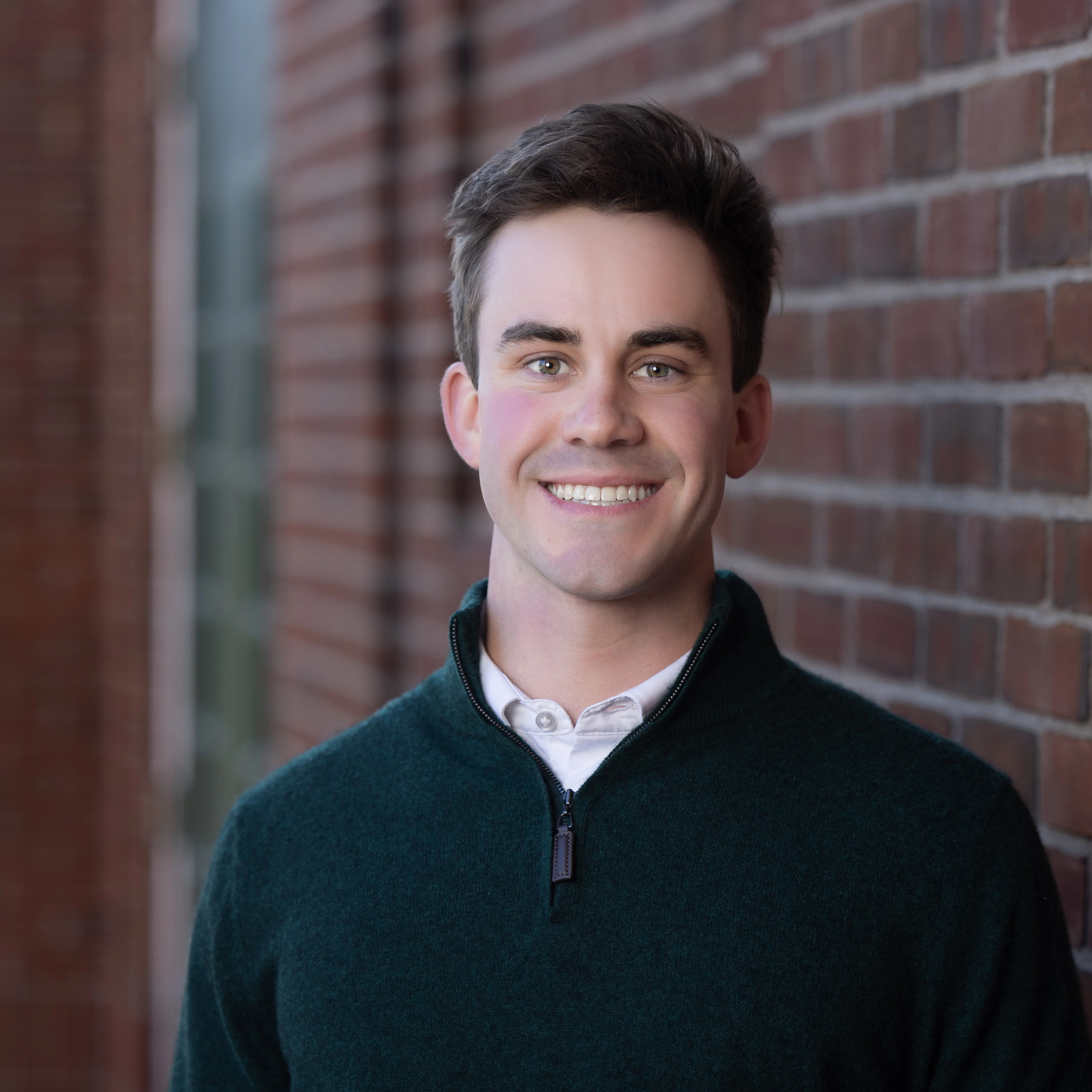
Will Abele
Home Region
Los Angeles, California
Cases aren’t just discussed—they are acted out, performed, animated.
How does where you come from shape who you are today?
Growing up in Los Angeles, I lived down the street from my grandparents, where our extended family of 20-plus people gathered every Sunday. As one of many, I learned early the value of curiosity, empathy, and patience. Those dinners taught me to listen across generational and ideological differences and shaped my belief that understanding someone’s full context is a prerequisite to strong relationships and working well together.
What was one of your first jobs and what did you learn from it?
My first job during college was as an ocean lifeguard for the LA County Fire Department. It sounds like a chill summer gig until you’re a rookie, 150 yards offshore, and the first guard to reach eight people actively drowning in a rip current. Stressful! Our training focused on two values—integrity and teamwork—and that day I understood why. All eight made it safely to shore, not because of any one person but as a result of teamwork. That principle is still the most important thing I’ve learned about leadership: Your ceiling is set by the team you trust, not by your individual talent.
What surprised you about HBS?
First, the campus never stops. The dining hall is packed every day, there are guest speakers and conferences with leaders from around the world, and somewhere between the snowball fights on Baker Beach and the dodgeball tournaments in the gym, you realize HBS has quietly built one of the most vibrant communities you’ve ever been part of. Second, the classroom is more alive than I expected. Cases aren’t just discussed—they are acted out, performed, animated. Professors, classmates, and sometimes the actual business leaders from the cases gather in the room together, role-playing real decisions in real time. It’s unlike any learning environment I’ve encountered. Third, I knew my classmates would be bright, motivated, and accomplished. What I didn’t fully appreciate was how genuinely humble, kind, and collaborative that same group of people would be. I’ve made some of my greatest friendships in a matter of months.
Is there a moment on campus—in or out of the classroom—that has stayed with you?
In my Required Curriculum (RC) leadership class, we studied UPS’s “Circle of Honor,” in which UPS rewards employees who complete 25 years of service without an avoidable accident with a bomber jacket. What struck me wasn't the safety record; it was the jacket itself. In a world of bonuses and performance rankings, UPS found that something as simple as a piece of outerwear, earned slowly and worn proudly, could be the most meaningful recognition a person receives in their career. The case reframed what I think loyalty actually asks of a leader: not grand gestures, but consistent, sincere acknowledgment of consistent, devoted people. The drivers who earn that jacket aren’t the flashiest. They’re the ones who show up every day, make no excuses, and do the right thing quietly for decades. I want to build organizations that notice these qualities—and find our own version of the bomber jacket.
How has your understanding of leadership evolved during your time at HBS?
I came to HBS with a clear point of view on leadership—build trust, invest in people, and create the conditions for a team to perform. I still believe all of that. What HBS has added is a deeper appreciation for judgment as the core skill/quality underlying everything else. At HBS, we’re constantly pressure-tested—not just by professors who’ve studied leadership for decades, but by the executives and case protagonists who sit alongside us in the classroom. The cases we study reveal how rarely the path is clear and how leaders make decisions surrounded by uncertainty. That lesson is reinforced every week through the founders, CEOs, and investors who come to campus, who point to judgment as the thing that separated their best decisions from their worst. I now think about developing judgment deliberately, through exposure to, and lessons from, high-quality decisions and decision-makers. HBS has given me an unusual concentration of both.
If you could give one piece of advice to prospective students, what would it be?
Your RC year alone will change how you think—make sure you’re paying attention to how it’s changing you, not just what you're learning. I came in a strong listener. I’m leaving with a clearer sense that good judgment isn't just formed privately—it’s sharpened by putting your thinking into the room and letting it get tested.