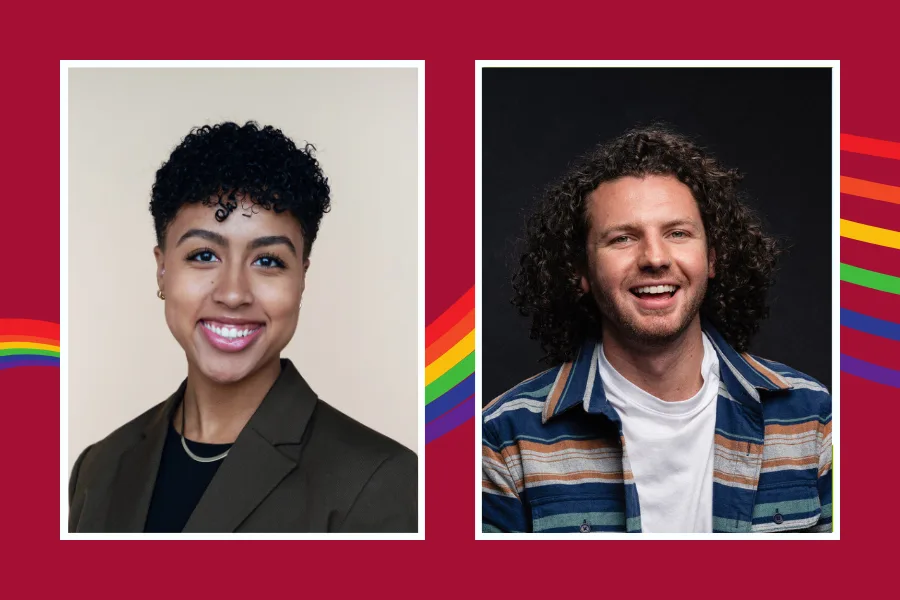
PRIDE is a home for LGBTQ+ students and allies to build meaningful community, explore identity, and celebrate queerness in all its forms. As a student-led organization, PRIDE is committed to fostering belonging, visibility, and joy — not just during Pride Month, but every day of the year. In honor of Pride Month, we’re sharing reflections from three members of the Class of 2026. Their stories highlight the strength, vulnerability, and creativity that shape queer life at HBS, and show how community can be a powerful force for growth, connection, and change.
Chandra Sahu (MBA 2026) PRIDE Co-President
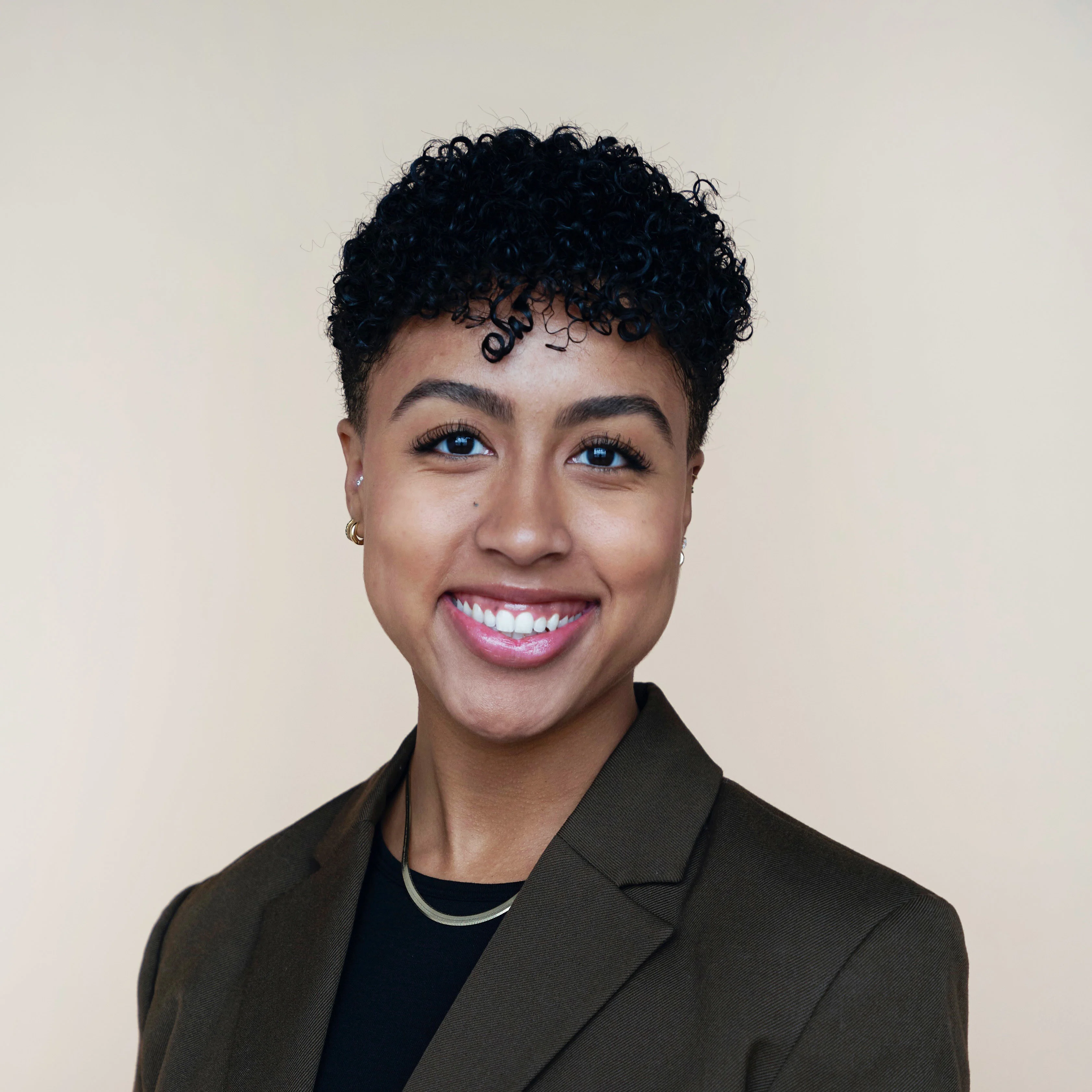
In coming out—first to yourself and then to your concentric circles—you build a muscle for vulnerability and managing difficult conversations across difference. This strength may be rooted in your relationship to queerness, but it doesn’t end there. It ends up touching every part of how you move through the world. The connective tissue of the queer community is self-knowing and vulnerability, and within both, joy.
Pride organizations have consistently been where I turn for community when entering a new space, whether in the Out for Business club as an undergrad, as an O4U Conference organizer in NYC, or as a new student at HBS. The HBS PRIDE Club has been a wonderful addition to this history of communities in my life.
What makes LGBTQ+ spaces so singularly rich is their built-in diversity across nationality, gender, race, socioeconomic background, and just about every axis of identity. When we lead with acceptance of who someone loves or how they identify, it opens the door to a deeper kind of inclusion. People bring their full selves—quirks, cultures, contradictions, and all. That mix not only creates space for powerful understanding across difference, but also a kind of microcosm of what HBS at its best aims to be.
HBS can at times be an overwhelming place, with so much to get involved in and a seemingly endless number of people to get to know. PRIDE has been a space where the opportunity for new, deep connection is always available, even after you’ve settled into your HBS groove. From small group dinners to the full-club jubilance of retreat and Spring Gala, PRIDE offers space for all the corners of myself to be seen and held. As the challenges of HBS, the broader economic and political environment, and late-20s existentialism come up, my PRIDE community shows up—for solace, and for joy.
Stepping into a leadership role in PRIDE has already been heartwarming and rewarding. I’m lucky to be part of a team energized around building something special: a community where belonging comes first, and celebration follows close behind.
Student from the Class of 2026, Anonymized
I grew up in conservative Southern settings where, as someone who’s bi, I quickly learned how to adjust myself to fit the socially acceptable boxes around me. I became good at shrinking—at editing parts of myself to blend in. But in doing so, I never really understood what it meant to be part of a community.
Coming to HBS, I worried I wasn’t queer enough for queer spaces or straight enough for everything else. I didn’t know where I fit, and part of me assumed I would have to choose to edit myself, or simplify things, just to belong.
But PRIDE showed me that I didn’t have to fit into any box at all. It’s a space where questioning is met with compassion, and where identity is seen as something that can be fluid, messy, and ever evolving.
Through PRIDE, I found a community for the first time. Friends who listen without judgment, who celebrate without condition, and who remind me that being myself, wherever I am in the process, is enough.
The PRIDE community is built on the foundation of being wholly yourself: as you are, as you question, as you love, and as you live. It is a glimpse of how I hope broader society can be one day.
Will Hennessy (MBA 2026), PRIDE Co-President
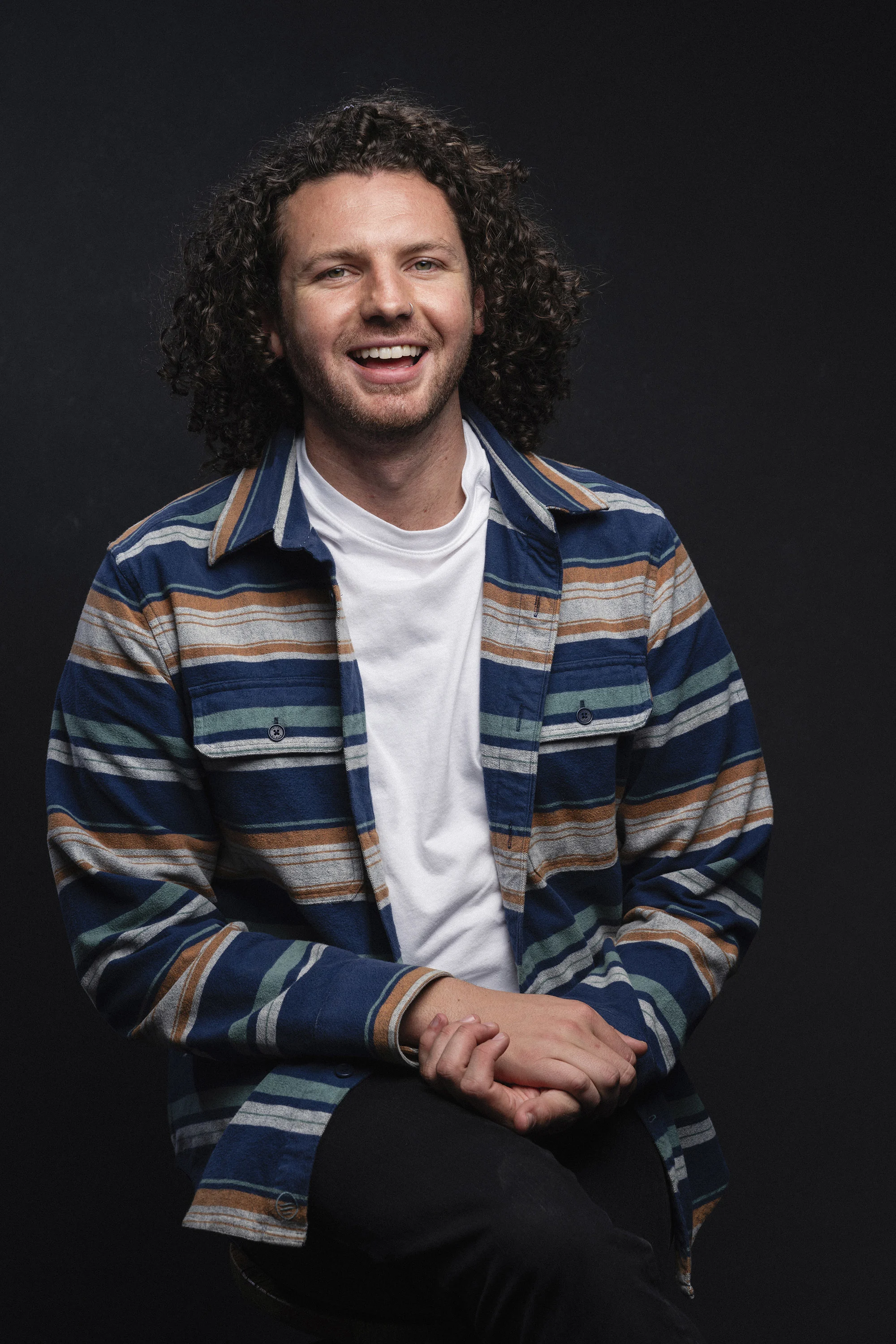
I love traditions. I love how they connect me to those who came before me and offer something enduring to those who will come after, whether in a school, a company, or a community.
Years ago, I learned about Oberammergau, a small town in Germany that has staged a Passion play every ten years for over 350 years. What struck me wasn’t just the commitment to keeping it alive, but also how the town has continued to evolve the tradition. They’ve reexamined their values, expanded interfaith dialogue, welcomed previously excluded community members, and modernized the production’s language, music, and technology. The essence remains, but the form has adapted with the times.
At HBS, I’ve been surrounded by long-standing traditions: the 117-year-old case method, the century-old Harvard-Yale football game, the community rituals of section life, and the annual cheers for the Boston Marathon. Even specific class cases, like the 53-year-old Benihana operations case, carry legacies of their own.
But what makes these traditions powerful isn’t their age. It’s how they’ve delicately balanced holding on to the past while being willing to evolve. The Benihana case, one of the first internationally-based cases at HBS, now has a best-selling digital simulation adaptation, while still taught in its original form in Aldrich Hall. Section life has expanded to include diverse voices and new rituals, such as MyTake events, Flag Day, and peer-led retreats, while remaining steadfast in size and classroom structure. The Boston Marathon and Harvard’s 380-year-old Commencement have both become more gender inclusive and accessible over time, embracing technology and shedding outdated norms, while retaining traces of history, such as Latin speeches and traditional robes.
This past year, I’ve realized that most enduring traditions don’t resist change; they rely on it. When we let them breathe, they deepen in meaning.
This year marks 40 years since PRIDE was officially recognized at HBS. In that time, LGBTQ+ students have built meaningful traditions of our own: retreats, dances, MyTake storytelling events, and spaces for support and celebration — even trips to Miami. Decades earlier, our predecessors formed secret “alternative executive lifestyle” groups in the 1970s. They supported each other through the AIDS crisis and fought for visibility in classrooms and boardrooms alike.
Now, we’re facing a new moment of reckoning. Anti-LGBTQ+, especially anti-trans, sentiment is on the rise. Corporate support for Pride is shifting. Cultural backlash is growing. So I have to ask: what parts of PRIDE must evolve?
We’re more visible on campus than ever before, and today’s queer students come from increasingly diverse backgrounds, bringing new intersections, questions, and needs. To sustain our community, our leadership is rethinking how we evolve, while staying rooted in the traditions that brought us here.
The Pride movement began with Black trans people bravely standing up for our community. At HBS, it was courageous alumni who risked their reputations to carve out space for this club. Now, it’s our turn to be stewards of that legacy, standing up for those who come next.
That’s what PRIDE means to me.