
Jay Bhandari (MBA 2025) is a Georgetown University graduate from Houston, Texas. In this post, he reflects on his career journey and what he’s learned from pivoting into a new industry after HBS.
Five years ago, I left private equity for the uncertain world of startups. Since then, I've had countless conversations with others contemplating the same leap. Enough that certain themes started repeating themselves. When HBS asked for my perspective on making the switch, it felt like the right moment to consolidate what I've learned.
A caveat up front: I'm still figuring this out myself. I'm not writing from the mountaintop. I'm still somewhere on the trail, finding my way forward like everyone else. What follows isn't a blueprint, just what's worked for me.
Start the Hike
Chris Dixon wrote an article about climbing the wrong hill that's stuck with me since I first read it five years ago. His point: it's easy to get seduced by incremental steps up your current hill, even when you can see a taller hill in the distance. The lure of the next promotion, the next pay bump, the next step up. It all feels like progress. But if you're on the wrong hill, those steps are just taking you further from where you actually want to be.
Everyone is climbing their own hill. We're all solving for different things in our careers — different definitions of success, different trade-offs we're willing to make, different peaks we're aiming for.
What's worked for me: listening to what genuinely excites me rather than what looks good on paper. Making incremental progress rather than waiting for the perfect move. Being resourceful about filling gaps and saying yes to unexpected connections. And getting on the right ship — industries with momentum and people who inspire me — over optimizing for a specific role.
Five years in, I'm still early in this journey. Still learning, still adjusting course. What excites me today isn't exactly what excited me five years ago, and that's the point. Your preferences will shift as you learn and grow. I’ve had to stay flexible and adjust as that inner voice changes.
Act on Your Inner Voice
One of my most successful friends told me his secret: "I have a low tolerance for doing things I don't like to do."
That simple admission became my most important lesson. I committed to a standard that I'd only pursue opportunities that genuinely excite me. The logic is simple: it's much easier to work hard at things that excite you. And in competitive fields like startups, working hard often makes the difference.
This was easier said than done. Saying no to good-but-not-great career options was scary because the pool of choices shrank. The even harder part was figuring out what I actually wanted. It involved a lot of introspection and pulling on threads. Talking to people in spaces that interested me. Trying small projects. Taking note of which opportunities energized me and which ones drained me when I was preparing for interviews.
A heuristic that helped: thinking about which friends' career trajectories made me jealous. That envy was data, telling me what I felt was missing.
Through this iterative process, clarity emerged. Once it did, I needed to give myself permission to pursue it.
Be Scrappy
There's no template for breaking into startups, but there is a mentality: be scrappy. I've landed all my startup roles through meeting people in person and coming into conversations with specialized knowledge. I mapped my existing network (HBS helped a lot) to identify warm connections.
Before getting in touch with people, it’s helpful to reflect on where your gaps are and how you can fill them. It could be taking a class, building a project, or writing an article. Demonstrated proof of commitment is a strong differentiator relative to the many that are purely “interested” in the company.
The other part: saying yes to opportunities without expectation. Going out into the world and meeting people expands your surface area for luck. So many people I've met through random interactions, job interviews, or social events have become some of my biggest allies in finding new opportunities. It wasn't the intention at the time, but looking back, I never would have predicted how seemingly random connections opened the possibilities I have today.
Get on the Right Ship
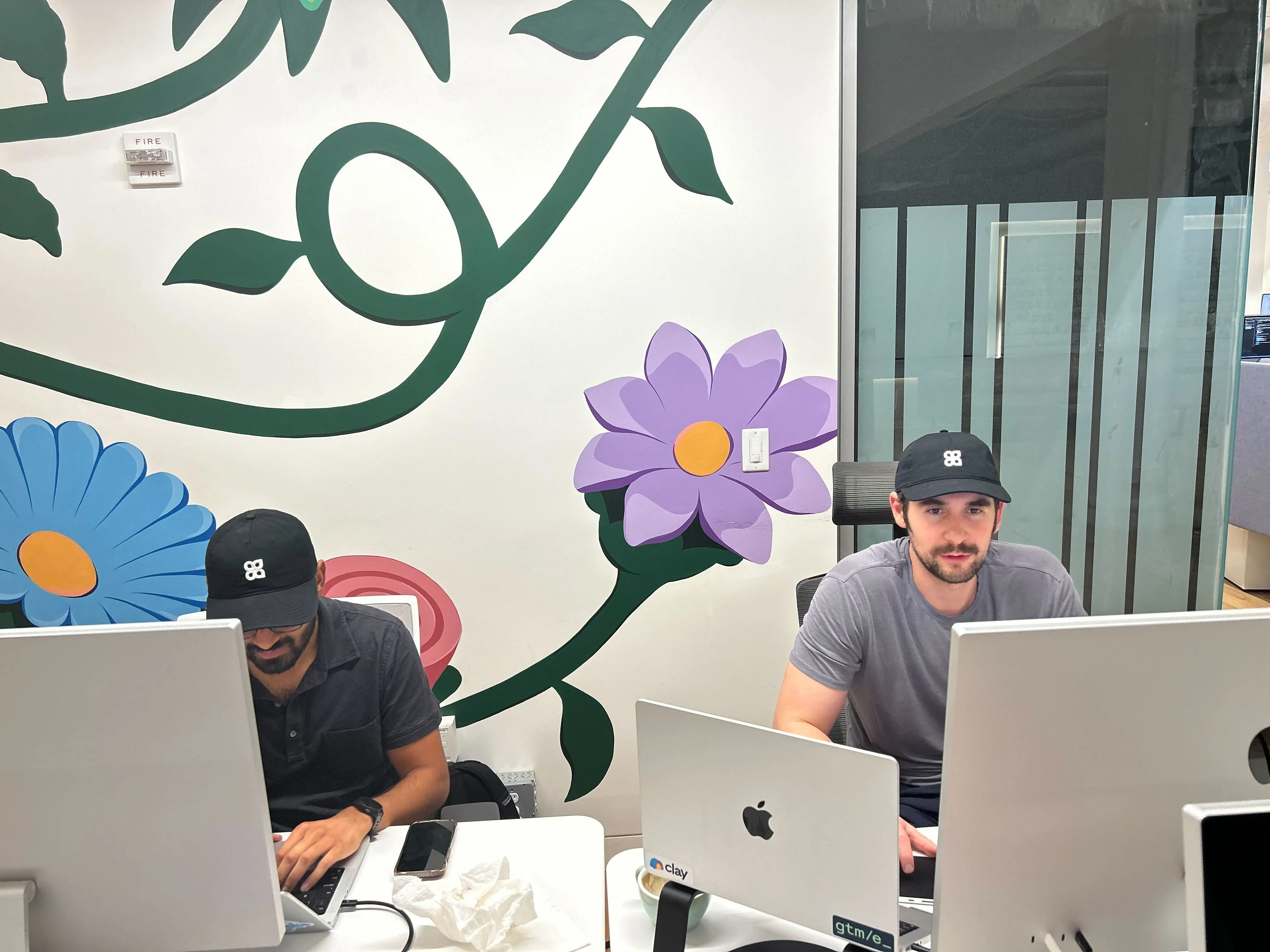
Startups are a lot of work for (usually) less pay. The reward for me has been upside, learning, and fulfillment from building something new.
I've learned that picking the right industry matters most. A rising tide lifts all boats. Growing industries attract brilliant people and create extraordinary learning opportunities. The market rewards people who've worked in growing companies—whether that's fair or not, perceptions about where you work unlock future opportunities. And if you pick a ship that sinks, the domain knowledge you've acquired can translate to another company in the space. In a growing industry, there will be plenty of other ships.
Equally important: the people. I've found that when I'm aligned with a company's culture, I thrive. When I'm not, even interesting work becomes draining. My colleagues dramatically impact my day-to-day happiness, so I look for companies where people inspire me and align with my values.
The role, while important, has mattered relatively least. If the company is growing and I fit the culture, opportunities to adjust my role emerge naturally over time.

We spend so much time at work. It's energizing to be around people who inspire you and share your values.
Five years later, I genuinely love what I do and feel energized by the direction I'm heading. If you're standing on a hill that isn't serving you anymore, if you can see a taller hill in the distance that genuinely excites you, don't let the seduction of the next step up keep you where you are. Start the new hike. It won't be perfect, and you might be starting from ground zero. But you'll be on the right hill. That's what matters.
The views and opinions expressed in the MBA Voices blog are those of the authors. Any political views shared by students are their own; HBS does not endorse a particular party or candidate.