What does an average day look like for an IT business analyst at HBS? The answer is: it depends! Ryan Conwell, manager of the IT Business Analysis team, explains that the role is dynamic, adapting to the unique needs of each project and team. With each project comes a new set of challenges and opportunities, and business analysts are right there in the middle of it all—connecting teams, clarifying goals, and keeping things moving.
While each day may look different based on the project or the tasks they’re supporting, over the lifetime of the project, business analysts play a crucial role in ensuring IT projects meet their goals and serve the HBS community effectively.
Conwell shared some insights into his role and what a “typical” day might entail:
What Does a Business Analyst Do?
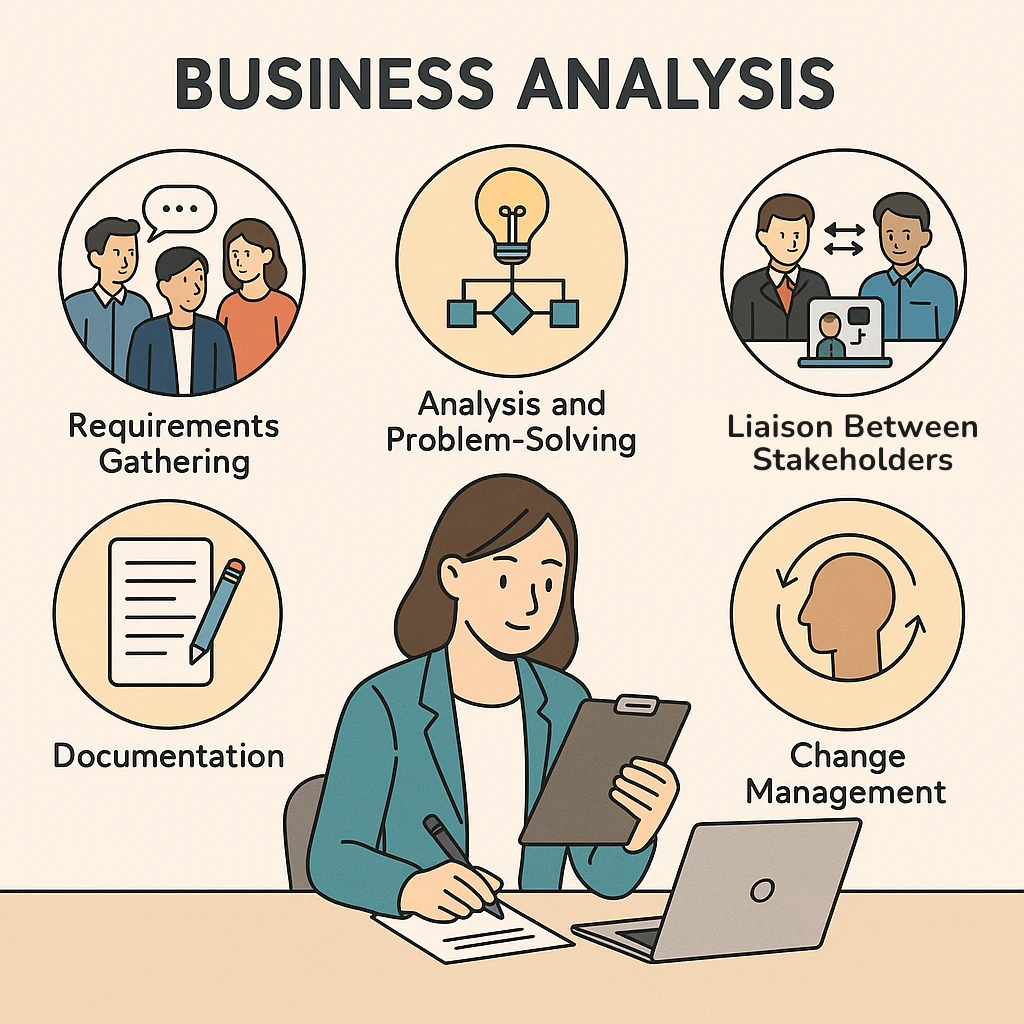
Business analysts tend to change how they work on each project. The core of what a business analyst does includes requirements gathering, root cause analysis for underlying business challenges, process improvement, and transitioning the project to support teams— specifics will change depending on the project. We typically work on large or complex projects, including projects having to do with process improvement and software implementation.
Since I'm the manager of the team, I spend more time keeping track of what is going on across IT as a whole to see if there are areas where we can help. In situations where I’m working as a business analyst, I tend to spend more time working on documentation and working with that project team directly.
Why It Matters
Business analysis helps us deliver better projects and products to our customers across the community. We bring a more structured approach to implementation and other parts of improvement projects. Boiling our skill set down to the basics, we help the organization consider options to solve a problem and allow for informed decision making.
A Day in the Life
Morning: Setting the Stage
I usually start my mornings by understanding what the meeting schedule for the day looks like and seeing what emails came over night. I plan out the day to see what work needs to happen today or the rest of the week. I may also attend team meetings or meet with other project teams. The role is not very routine-oriented in terms of timing, as it depends on the type of work you’re doing.
Afternoon: Focus and Follow-Up
In the afternoons, if I’m not in meetings, I’m just trying to figure out what would be the plan for tomorrow or the rest of the week or next week.
If I attended a project team meeting in the morning, I might then work on a deliverable or collaborate with someone on the team–working with them one-on-one or discussing through chat to figure out whether we need to do more research or documentation, and then addressing what path we need to go down.
If the morning meeting is focused on project execution and they’re going through training or getting feedback from training, I’ll meet with the project execution team to see if there is anything as a business analyst team we need to change in order to provide them the right documentation to answer the questions they’re getting. We’ll see what we need to do and get updates over to that team.
End of Day: Reset for Tomorrow
At the end of the day, I definitely make sure I’m set up well for the next morning so I don’t have any surprises when I open up the computer, and I make sure I understand the schedule and that nothing will be missing from them.
I’ll then go back through my inbox to make sure there’s nothing I’m skipping over or someone I need to connect with.