In our Alumni Career Journey series, we spotlight inspiring HBS graduates who are leveraging their business and leadership skills to make a significant impact in tackling climate change. Join us as we explore their diverse career paths, innovative solutions, and invaluable insights from the front lines of climate action. In this post, we hear from Makari Krause (MBA 2023), Principal, Head of Natural Capital Advisory at CrossBoundary Group.
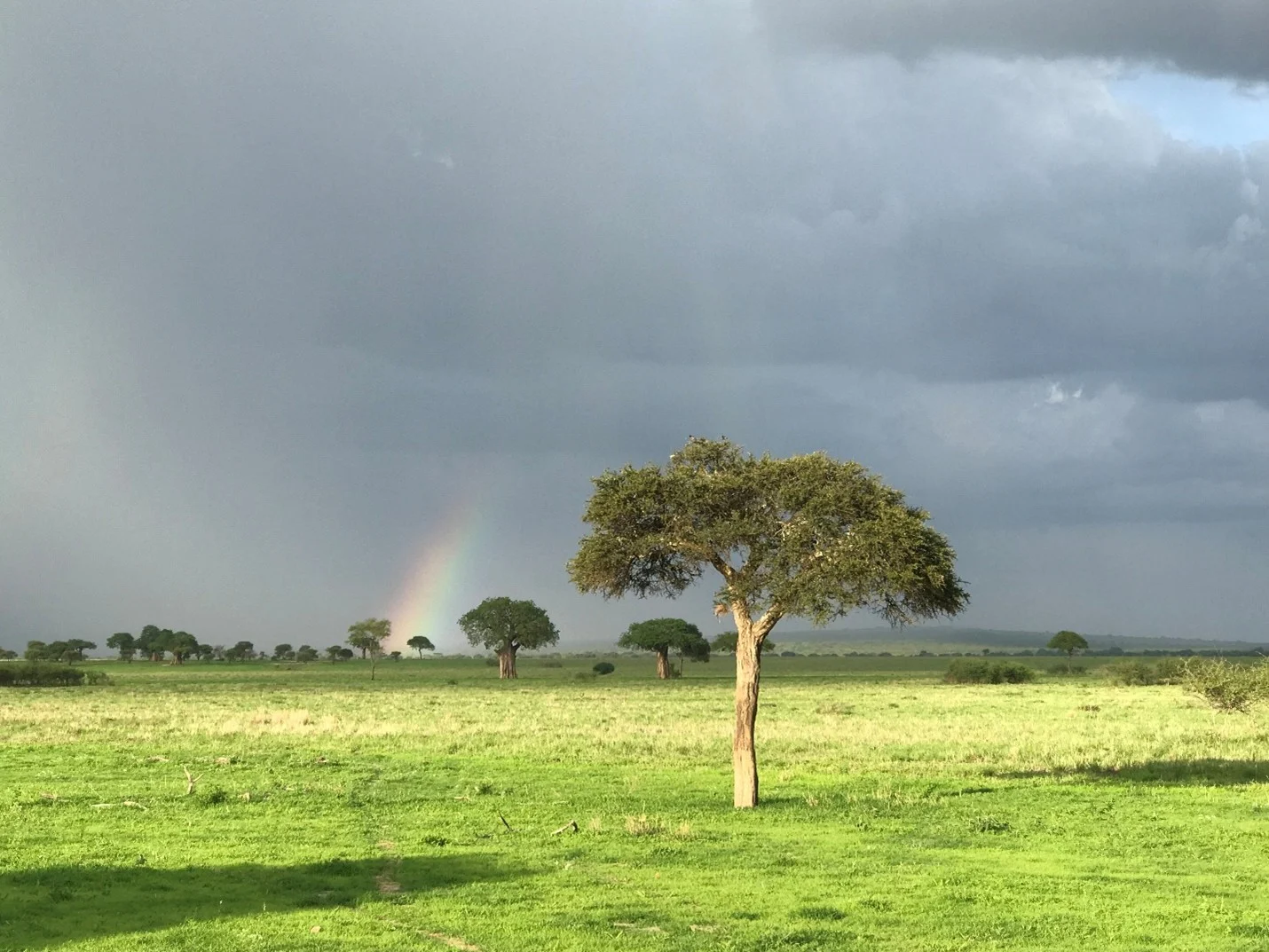
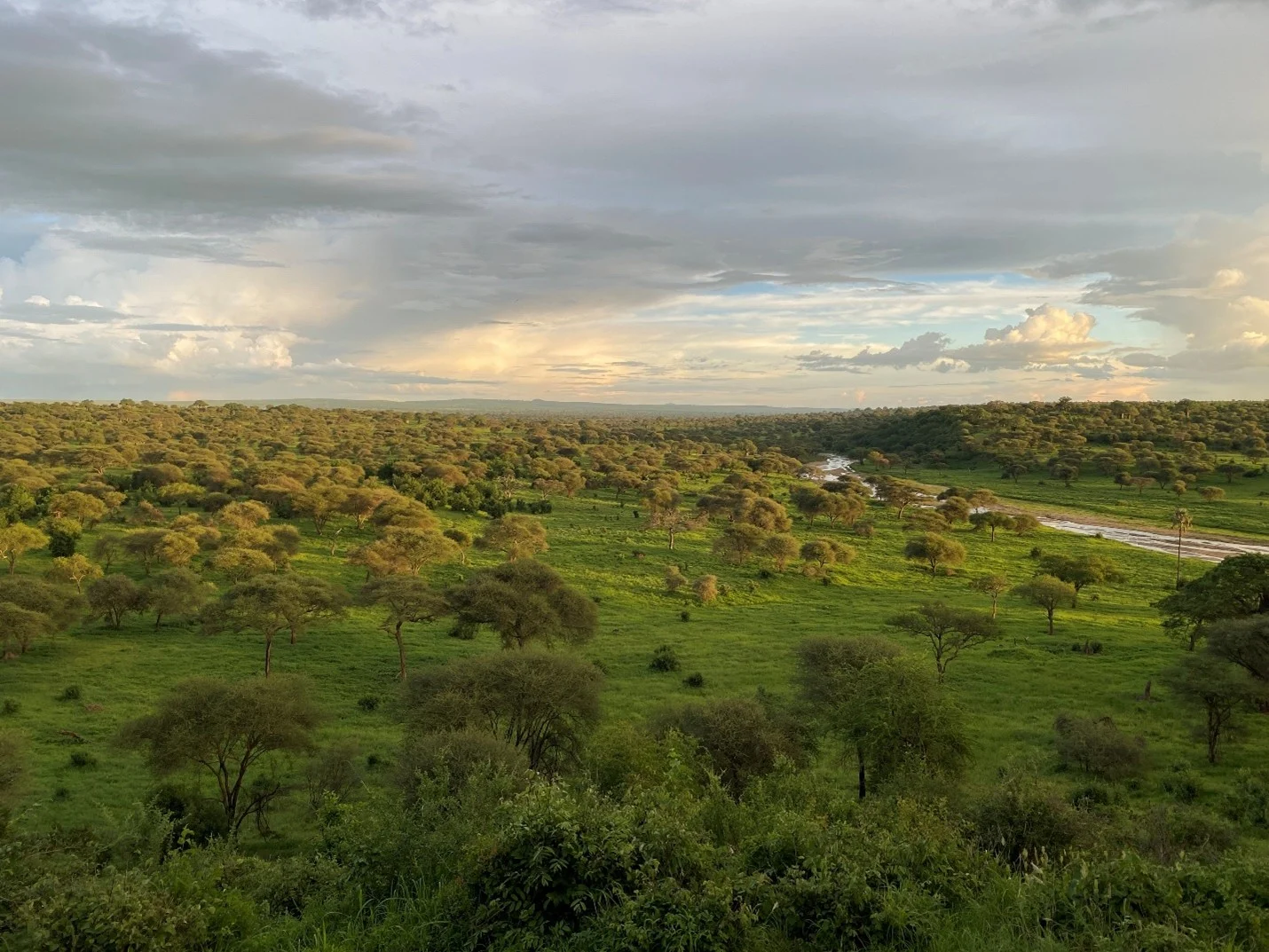
1. Tell us about your career journey before attending HBS. You have consistently had a conservation and environmental focus. How did your roles or perspectives change before deciding to apply to HBS?I was born in Kenya and grew up in northern Tanzania. My family has always been deeply involved in environmental conservation, my dad runs an ecotourism company there and my mom has worked in wildlife conservation in the region for decades. Conservation and nature have always been a central part of my life from a young age.
I moved to Bozeman, Montana for high school and then went to Claremont McKenna College, where I studied environmental economics and politics. During undergrad, I was focused on the environment and policy angles and I interned at a few conservation NGOs and environmental regulators. By the end of college I was most excited about the intersection of economics, financial markets, and the environment, especially how incentives, pricing, and capital flows shape environmental outcomes.After graduating, I joined a boutique M&A advisory and strategy consulting firm in Los Angeles. It was not climate/environment focused, but I justified the transition by saying that a few years working in traditional private sector finance was important for me to build the necessary foundation of finance and strategy skills to be successful in my career. Those first five years of my career, combined with my prior experience in the NGO/Public sector, really shaped my views: we live in a capitalistic system where nearly all decisions are made according to economic incentives, so if you want someone to do something you need to make it the best economic option for them. Economic incentives need to drive the system and capital markets to make positive impact at scale.
2. What motivated your decision to pursue your MBA at HBS?After five years doing strategy and M&A advisory work, I knew I wanted to go back into the climate and nature space and I got advice that Business School was a great way to step back, to take some time to think through different career options, and to test things out. It turned out to be a perfect sandbox - I worked for startups in the climate tech space, I spent the summer at a climate tech venture capital fund, I even tried to start my own climate tech startup with an MIT synthetic biologist that involved bugs and engineered bacteria. Ultimately this journey was valuable in helping me decide that I wanted to work in the climate and nature space for the rest of my life and that I wanted to live and work overseas.The climate tech world was extremely interesting, but these technologies were often expensive and not scalable and I felt myself increasingly drawn to nature-based solutions. We already have incredibly scalable and cost-effective climate solutions in the form of ecosystems, forests, and soils, and conserving and enhancing these resources mitigates climate change while improving biodiversity and social outcomes, especially in emerging markets.Toward the end of my EC year I connected with CrossBoundary. They were hiring for their new Natural Capital practice, which was focused on providing investment services to drive more project finance into nature-based solutions in emerging markets. It was a great confluence of things I was interested in: nature, climate, finance, emerging markets, so it felt like the stars were aligning and I took the job.
3. Tell us a little about your current role as Principal at CrossBoundary Group. How do you see your current role and or company having an impact on climate change?A week after graduation I flew from Boston to Maputo, Mozambique to start my job with CrossBoundary. At the time I was hired to help a portfolio of nature-based carbon projects in Mozambique with their capital raises. They ranged from large-scale timber projects, to community-based cashew and macadamia farms, to mangrove reforestation projects. All of them were focused on planting trees to remove carbon from the atmosphere, while providing positive benefits for biodiversity and local communities. The first two years after graduation I split my time between London and Eastern and Southern Africa, where I was the bridge between the local project developers on the ground in Africa and the investors that were generally based in Europe and the US. My role was to translate the messy, on-the-ground reality of these projects into financial models and marketing materials that could make their way into the boardrooms and investment committees of London and New York.
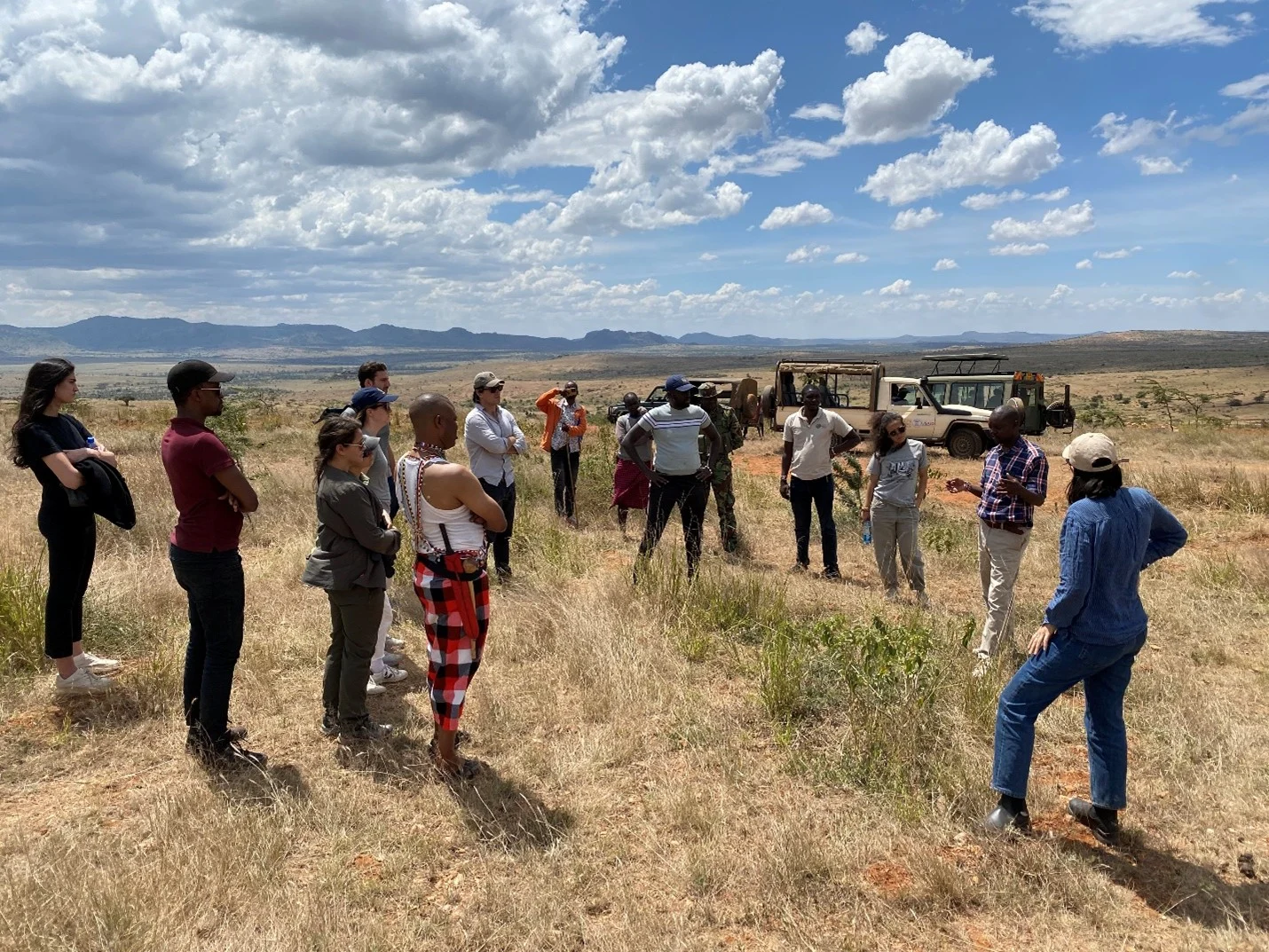
To say this was an uphill battle is an understatement. A lot of people will say that the challenge of raising capital for climate projects in Africa stems from a "lack of capital", but there's plenty of capital in the world. The issue is convincing that capital that the best investment is a project in Mozambique. And that gets even more challenging once you start talking about a forestry or a carbon sequestration project. These investors are investing along a risk-return tradeoff and in their view, climate in Africa falls well below the security market line. But our thesis was that there were some very attractive investment opportunities here, and that information asymmetries, high transaction costs, and inaccurate perceptions of risk, rather than fundamental project risk-return tradeoffs were the real culprit. Slowly but surely, this thesis has been borne out.My role has expanded and I now lead a team that works on nature-based deals across emerging markets both on the buy-side and sell-side. We support a wide range of companies and projects on the ground, improving their bankability and helping them access global capital markets. We also help investors that want to deploy capital into nature-based solutions in emerging markets by designing new vehicles or instruments to access the space, and helping them build and diligence their pipeline of deals.Despite the rollercoaster ride that the climate and nature space has been over the past couple years, we are seeing more interest than ever in our services and more funding flowing into nature and climate in emerging markets in new and creative ways.
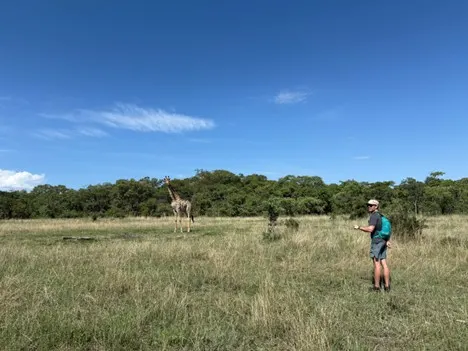
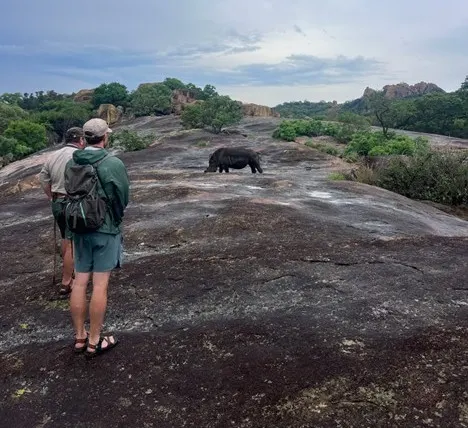
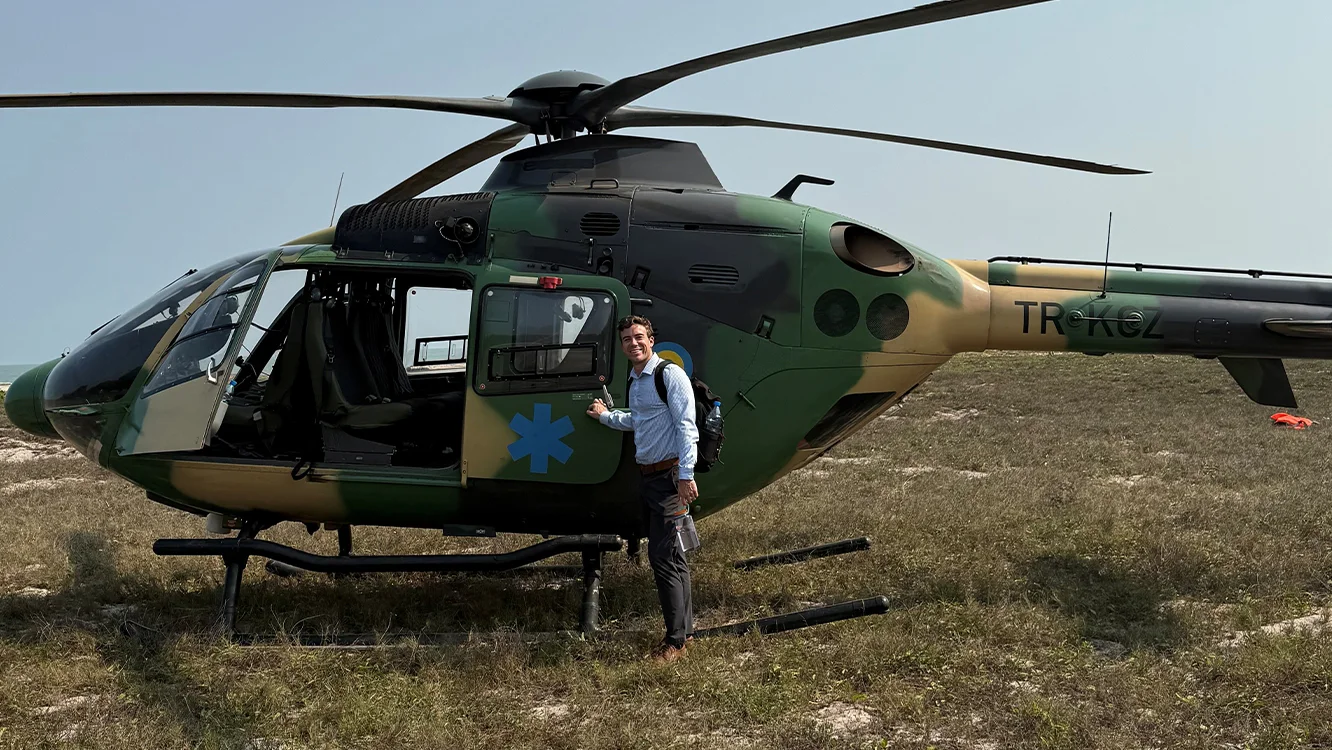
4. What advice do you have for students pursuing careers at the intersection of business and climate change?First, follow your gut and if you’re interested in impact go for it. There’s always this draw toward traditional consulting, private equity, asset management, or large institutions with a light ESG overlay. Those roles are important, and incremental change within large institutions absolutely matters. But for those who have the risk appetite to try something more creative, there is enormous opportunity outside the conventional track.I've been lucky enough to spend a lot of my time working directly with the real companies implementing climate solutions on the ground in Africa. I've spent days driving on bumpy roads through conservancies, I've flown in sketchy helicopters over forest concessions, I've spent time walking with local communities through degraded agricultural lands, and I've worked through financial models with management teams at remote lodges and camps. These have been some of the most meaningful and inspiring moments of my career. My advice is to follow your gut and do what feels the most interesting and the most inspiring. Do the thing that gets you closest to the impact and I think it's unlikely you'll be disappointed or have regrets. And don't be afraid to take risks!