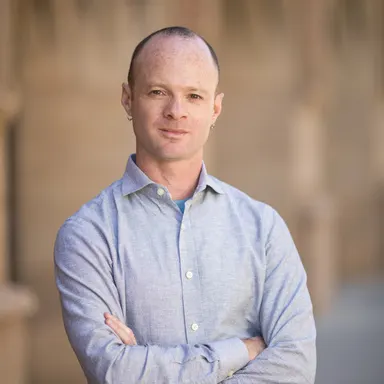
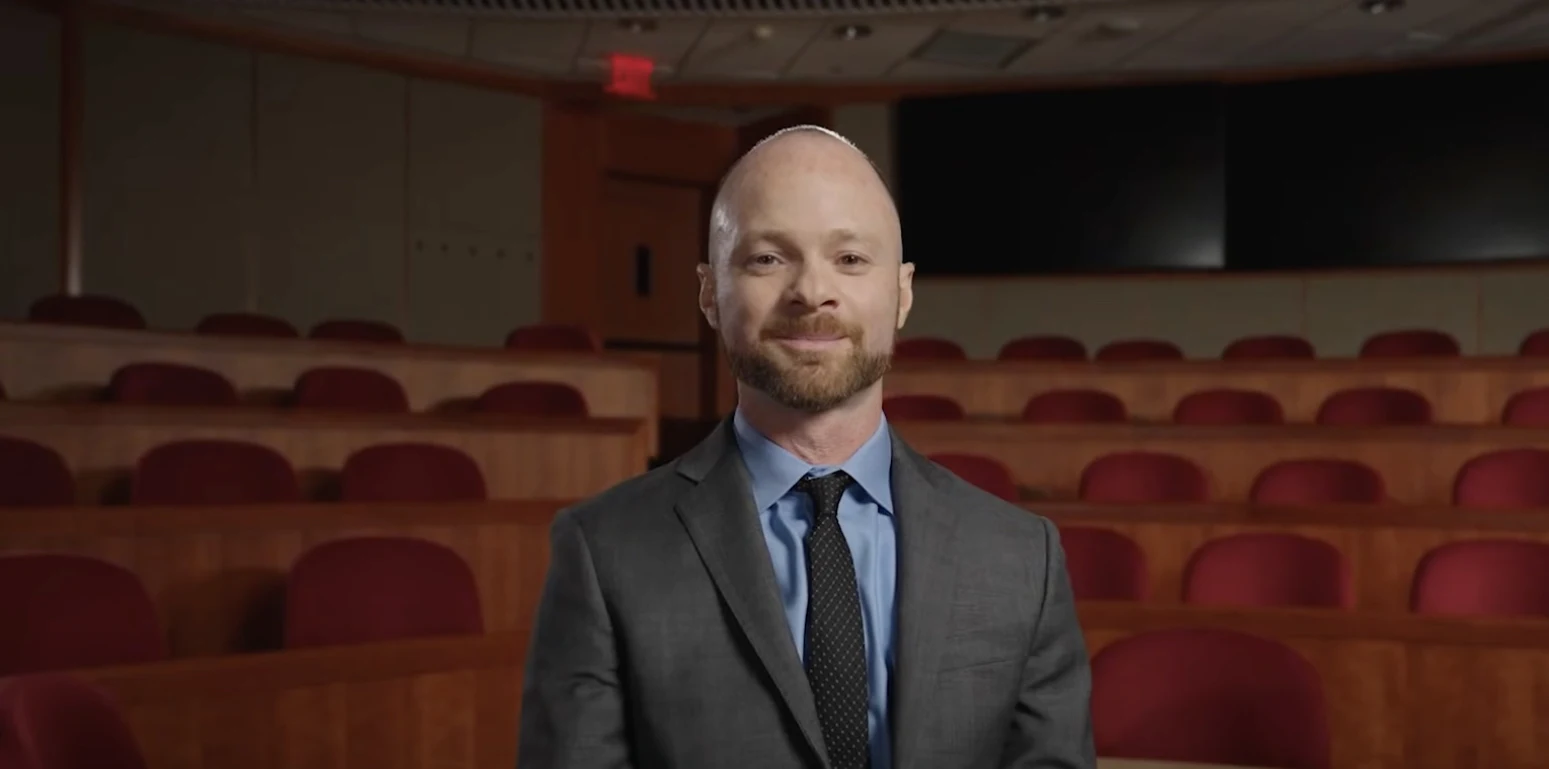
Editor's note: Victor Ray, an associate professor at the University of Iowa, is researching racialized organizations as a Racial Equity Fellow at Harvard Business School’s Institute for Business in Global Society (BiGS). Barbara DeLollis, former head of communications at BiGS, sat down with Ray to discuss his work on a new book about race and organizations, in an era when diversity, equity, and inclusion (DEI) programs are under threat. This interview has been edited for length, clarity, and style.
Let’s start with terminology: DEI has become a loaded phrase of late. Will these terms evolve in the future?
I'm still using diversity, equity, and inclusion, but I think it's an open question if these terms will evolve in the future. Historically, the terms we've used to describe race or inclusion have changed when there's large-scale social conflicts or social movements. We can think about the transition from Black to African American that happened during the Civil Rights era.
You also study how companies may show racism without even being aware of it. Can you give us some examples?
We make a distinction between individual racism, which we typically think of as bigotry, and structural racism, which are policies or laws designed to disadvantage whole groups. A lot of diversity policies in organizations rely on individual notions of how we treat each other in the workplace. But it's important to think about larger structural issues, how segregation impacts where businesses locate, and how that influences both who [businesses] can recruit and even the ability of employees or customers to get to the [location]. It's important for business leaders to think not just about the individual discrimination in the workplace, but also how their larger policies can have unintended consequences because of the history of segregation and the United States.
How are companies responding to the polarized racial environment in the U.S.?
We're experiencing a high level of political polarization, and companies need to think carefully about how to navigate this environment. Since the Supreme Court's 2023 decision outlawing affirmative action in higher education, there's been a concerted movement to extend the logic of that decision to businesses. Some, like McDonald's or John Deere and [Anheuser-Busch], have pulled back their diversity programming, worried about lawsuits that [might] hold them responsible for racial discrimination. Whereas others, like Costco and Apple, have said that diversity is important to their immediate strategy and their long-term future as a company.
How can companies ensure their DEI initiatives are effective?
A lot of diversity policies are relatively superficial and they don't have long-term, lasting impact. However, scholars here at Harvard have found that policies that have clear goals, policies that sometimes have mentorship built in to help folks along, and policies that give power to managers rather than blaming managers for failures, tend to be more effective and diversifying than others.
What metrics or benchmarks should they use?
There are a number of ways that companies measure the effectiveness of diversity programming. One is basic demographics: Are [employees] reflective of the communities the business serves, or the communities the business is drawing from? Once people are part of the company, are they moving up as quickly as, say, people in the dominant group, in terms of promotions and retentions? The other way people think about it is the climate. Do folks want to be with the company long term? Do they feel people like them are valued in the company? Do they feel they're listened to? Are pay scales equal for people who are members of different groups? Smart companies use multiple measures to figure this out. Just like you would with any important business metric, you want to triangulate and figure out what's working well and what areas the company can target for improvement.
What challenges and opportunities do you see for companies aiming to maintain DEI efforts?
I think the biggest challenge right now is the political environment. There's a concerted movement of people who think diversity is not beneficial, and they're trying to get it out of the workplace and higher education, and society at large. As far as opportunities [go], I think companies should recognize that demographics in the United States are changing. Long-term projections show that by mid-century, we're going to be a “majority minority” country. Getting rid of diversity programs might serve short-term goals to quiet down a loud external constituency, but it could ultimately shoot companies in the foot as demographics change and attitudes change more broadly in society around these issues.
What advice would you give to C-Suites executives who want to sustain their DEI programs?
I think it's important for companies interested in keeping their programs together to make the business case for diversity. A lot of research shows that diverse teams are better at problem solving, and there's some research that shows diverse companies perform better. It's their fiduciary duty to then keep that diversity in order to perform better. Now is the time for businesses to take diversity seriously and establish policies that will withstand the unprecedented political pressure diversity faces.
How should companies wait out the current backlash?
A lot of companies are pulling back from their sort of splashy PR campaigns that happened in the wake of George Floyd's murder, but they're not pulling back as much on policies that are effective day-to-day in the workplace. It allows them to gain market share and to recruit and retain talent. So, one way to wait out the moment is to continue the programs that are less controversial but effective for business.