BiGS Actionable Intelligence:
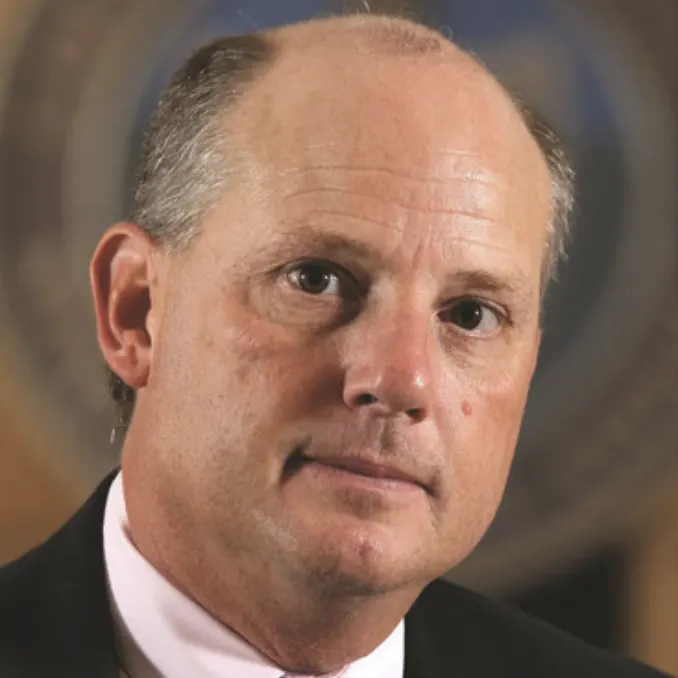
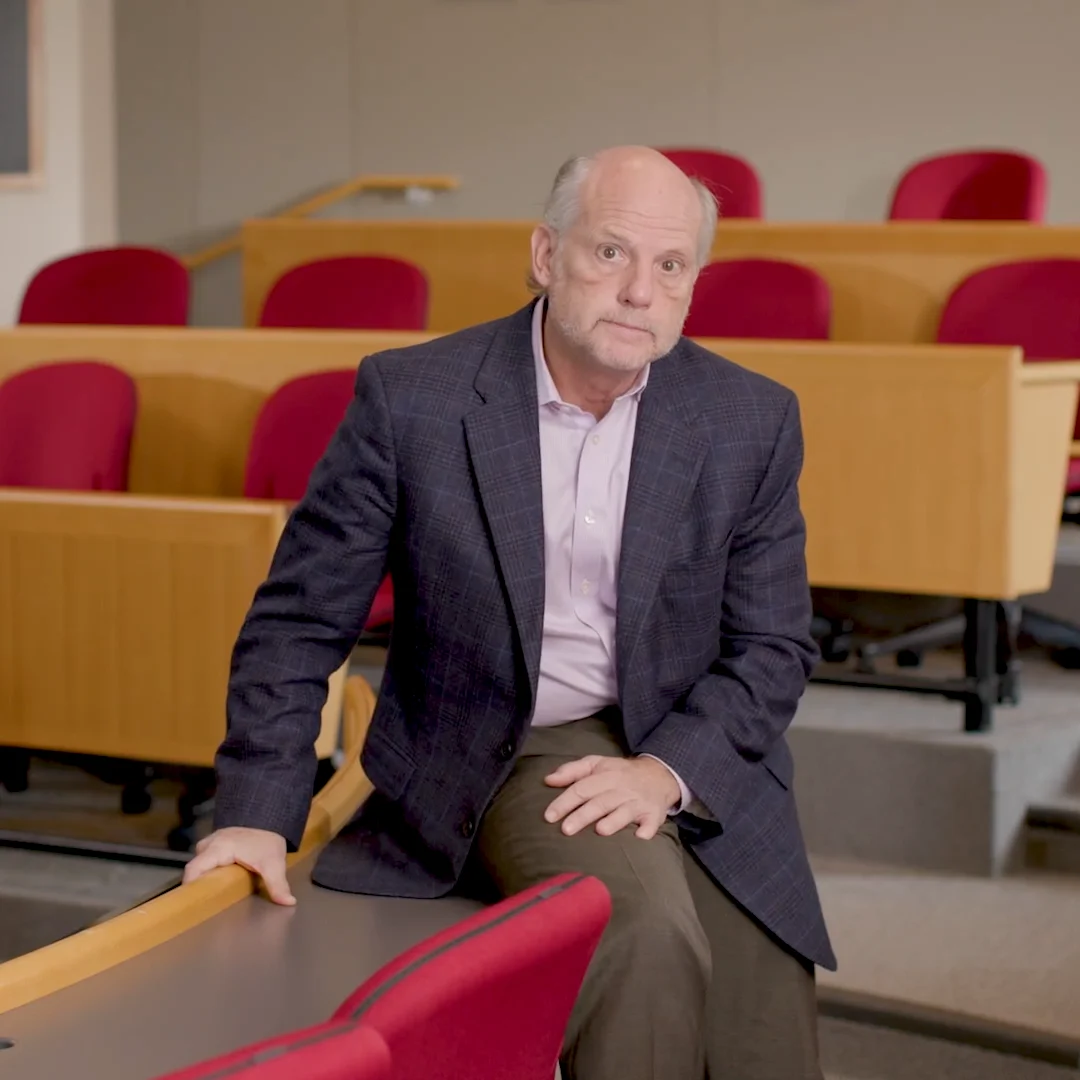
Leo Strine Jr., former Chief Justice of the Delaware Supreme Court, discusses how and if businesses can be good citizens. Businesses need to ensure they are making money in the right way and that company values are showing in day-to-day operations.
Dear BiGS Fix Readers,
Harvard Business School’s Institute for the Study of Business in Global Society (BiGS) recently invited former Chief Justice of the Delaware Supreme Court Leo E. Strine Jr. to speak to the school’s faculty and fellows. During a career that spanned more than 30 years, Strine wrote hundreds of opinions that affected companies, has written many scholarly articles, and taught corporate law at Harvard University and the University of Pennsylvania. He currently practices corporate law at Wachtell, Lipton, Rosen & Katz. I caught up with him recently to discuss how today’s executives can address societal issues. This transcript has been edited for length and style.
-Barbara DeLollis
Editor-in-Chief, The BiGS Fix
Q. The world is fighting climate change, inequality, and many other problems. Based on your experience, what is your advice for business leaders who believe it’s their responsibility to address societal issues?
A. The most important thing for a socially responsible business leader to do is to run their business in a high-integrity way and make the business a good citizen. Treat the people who are most responsible for your business success with respect.
If your workers go to a safe environment where people can labor together productively and treat each other with mutual respect, if they have good quality wages and benefits and can make their children's lives better and can have a secure place to live, that's a huge thing.
If the communities where you operate are better off because your company is there, you pay taxes, you support the local charities, you respect the environment, that's tremendous. And if your customers are better off because the products you sell are high quality, they make their lives better … these are the biggest contributions you can make as a business leader. It's what you control and are accountable for.
Q. Why is it especially relevant today to consider business’s role in addressing societal issues?
A. There are a lot of businesses caught in the cross-currents. There is no question we have a lot of societal division and business has been thrust in the middle. But some of that is because we don't necessarily think about what the role of business—the proper role of business—is. We don't necessarily talk about things in the right way.
We are a free society and people are entitled to have different beliefs. That's a hallmark of our society. When businesses get into issues that they don't control and where 50% of the population believes one thing and 50% believes the other, business leaders don't have any way to navigate that. But when you think about being a good corporate citizen in the manner I have described, the partisan differences melt away.
If you look at polls about whether companies should treat their workers with respect and pay them well, there's no partisan divide. Everybody of all political persuasions believes that. If you look at polls about pollution in the environment … supermajorities of Americans of all political beliefs believe that companies should respect the environment and not pollute.
When you ask questions about product safety and the obligations that companies have to their consumers, the partisan divide goes away. And so, when you talk about proper business conduct and making money in the right way … we're building on common ground.
Q. What would you say are the most common ways that directors and CEOs fail to meet their responsibilities, and what would you tell them?
A. When they become a director, they act like they're a part of a kabuki theater and they're just supposed to play a passive role. As a director, you need to ask the hard questions. You need to insist that management explain. You also need to think about the company and ask this question: How does this company make money? And I mean that in the most literal way. How do we take a product we sell or a service we sell and turn it into cash flow? It is important to understand the people affected by that cycle of production, because you cannot act as a director and monitor management unless you answer that. If you're running the company on a day-to-day basis, you have to make the same determination.