Editor’s note: Data Centers have been around for decades, but the advent of AI and cloud storage has caused a boom in construction so large that it has triggered a public backlash. Fourteen states have proposed banning or delaying new data centers. Polling shows a majority of people don’t want a data center in their area. Harvard Business School Professor Shane Greenstein talked to BiGS about the boom, the backlash and what it means for AI, jobs and communities. The interview has been edited for length, clarity and style.
Why have people turned against data centers recently?
A local project can generate opposition for several possible reasons, and, to date, most of the opposition has been local in character, not particularly national or centered in Washington, D.C. The electricity demand of these centers is high and may bid up local prices. Cooling them produces some buzzy noises, and there have been concerns about it. The buildings are big shells, enormous really, and some designs are not particularly pretty, or well aligned with the location. Some firms may also have mismanaged communications with the local community, or the builders may have exaggerated expectations about benefits.
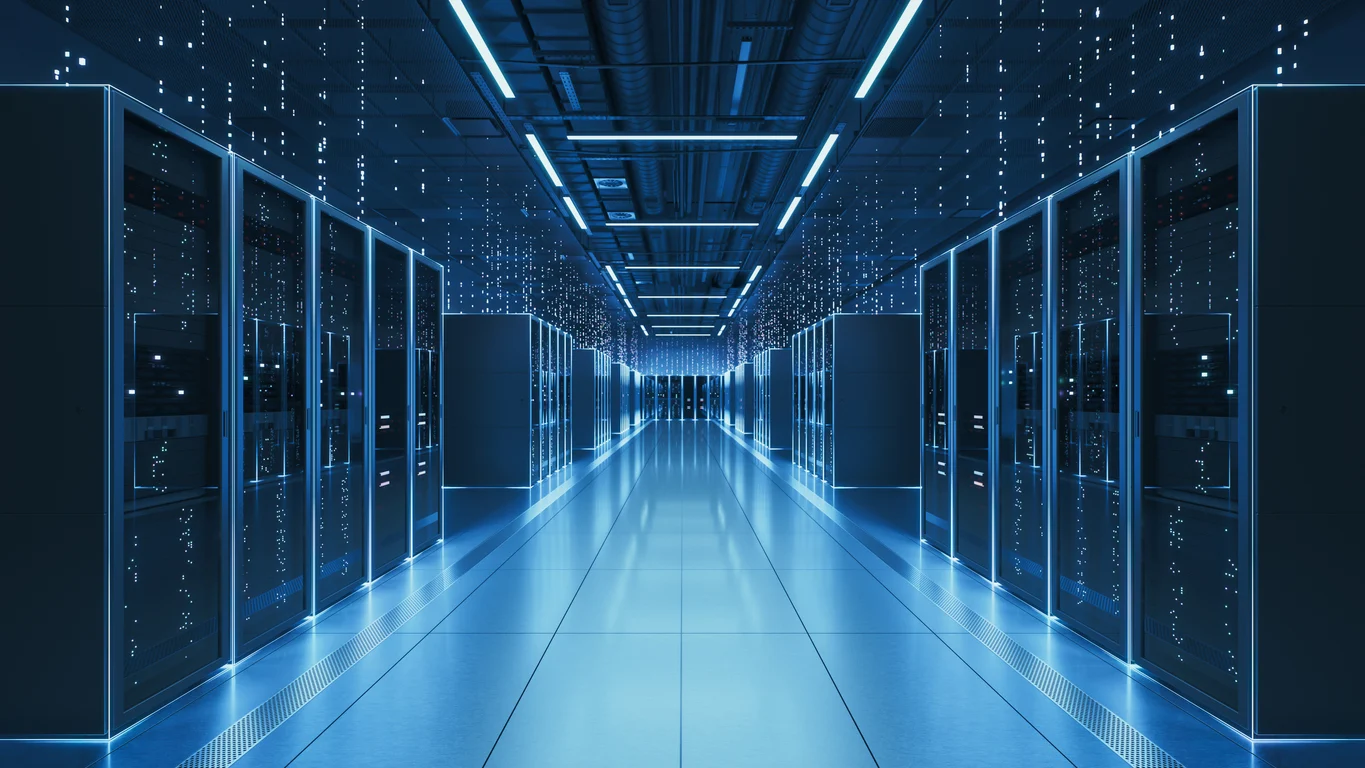
There are a lot of data centers already in deployment, but they tended to be smaller. It's like most invisible infrastructure. It plays a role that nobody was paying attention to as long as it was invisible. And what this generation of data centers has that the previous lacked was their size They’re outsized in aspiration. You know, they're huge for AI, and they have to be huge for AI to be useful.
Why is the energy demand such a big issue for states and localities?
The U.S. has only so much electrical capacity, both in generation and delivery, and these hyperscale data center projects tend to draw heavily at once. They cannot be broken up into small centers scattered across a wide geography, which would sacrifice maximum gains. Localities have discretion to issue a permit if they believe they have the capacity to support new developments. However, electrical capacity is planned far in advance and built with long planning cycles aligned with local growth projections. The demand for hyperscale, GPU-based data centers was not included in any of those plans, and localities are now receiving requests they cannot support. That is why we are seeing constraints pop up in so many locations.
What does that mean in states where legislation to halt data centers has failed?
Some states have effectively stopped development, because they don't have any electricity to grant. They don't have any permits to give out anymore, because they simply don't have the generation capacity. That's how they de facto stop development, not with the law, but because the regulators of the electricity generation have done that. There's a concern that if there's not enough capacity, you could get shortages or they could drive up prices.
We are seeing the quickest gains in locations that approved electrical permits in the recent past for data mining or other crypto activities, and developers are closing down those old efforts and redirecting the electricity to hyperscale data center development.
The data centers tend to be in rural areas, because of the size. Does that make them more or less appealing to locals?
Just like a factory opening up in a rural area, it generates some construction jobs, and then those go away. They're there for a year and a half or something. And then there's the regular operating jobs. In some locations, that's a real positive thing, and some not so much. If you've given away all the tax benefits, the benefits are a little lower.
Mostly it helps. Construction jobs are good, though they do not last. Though there are not a huge number of year-round jobs in a data center, they are usually good jobs and better than seasonal jobs. For a small area, that steady income can help support the local economy. These are often small places, so a few additional good jobs can make a difference to keeping the locality vibrant.
Is some of the opposition to data centers rooted in worries about AI in general?
It's something concrete that somebody can blame. It does have all the classic NIMBY characteristics. Which is to say, someone else benefits, but they're not local. And that's a classic situation that causes ‘Not in My Backyard.’ The usual remark is, if the AI were showing some benefits locally, you wouldn't necessarily get the same kind of opposition. There is very cheap electricity up in Canada. Massachusetts can't access it because New Hampshire and Vermont won't let the lines come through. And that's been going on forever. That's classic NIMBY.
Artificial Intelligence demands a great deal of energy. If data centers are stalled or banned, can that inhibit the development of the technology itself?
It will limit someone, by definition, and there are certainly plenty of news reports of individual firms slowing their efforts because of those limits. The opposite is also true. There are plenty of news reports about individual firms finding clever solutions to their short-term needs despite the limitations. The challenging question concerns the overall effect and impact: whether it slows down only a few firms, or the entire community a lot or a little. That is hard to know because we do not get to see what would have happened without the limitations. As it is, at the pace we have sustained in the last three years, as producers release new products, users are having a hard time absorbing all these advancements, even with these constraints. That makes me wonder if the economy would have looked much different if there had been no constraint on data center construction.
AI has moved so quickly. Do you see opposition to data centers calming down if and when people get more accustomed to the technology?
Every now and again, a new technology comes onto the scene and has the potential to reorganize firms and the way things get done across many different types of organizations. By all appearances, this is one of those.
We already see AI changing science-based industries and plenty of crucial activities that support coding and e-commerce. There are many forecasts of changes coming in administrative work and customer support that many people perform. An old trade-off applies in a situation like this. On the one hand, we should expect some jobs to change, maybe even to the point of going away. We should also expect new jobs to be created for a variety of purposes. It is always easier to forecast changes to the things in front of us, such as jobs going away, and harder to imagine the novel activities to come, new jobs to be created. No law guarantees that these should balance out. That said, historically, it is rare to have massive imbalances, such as technology-driven mass unemployment. So, as long as we avoid such imbalances, it is reasonable to expect the upward trends to continue, with AI improving and met with sporadic, mostly local opposition.