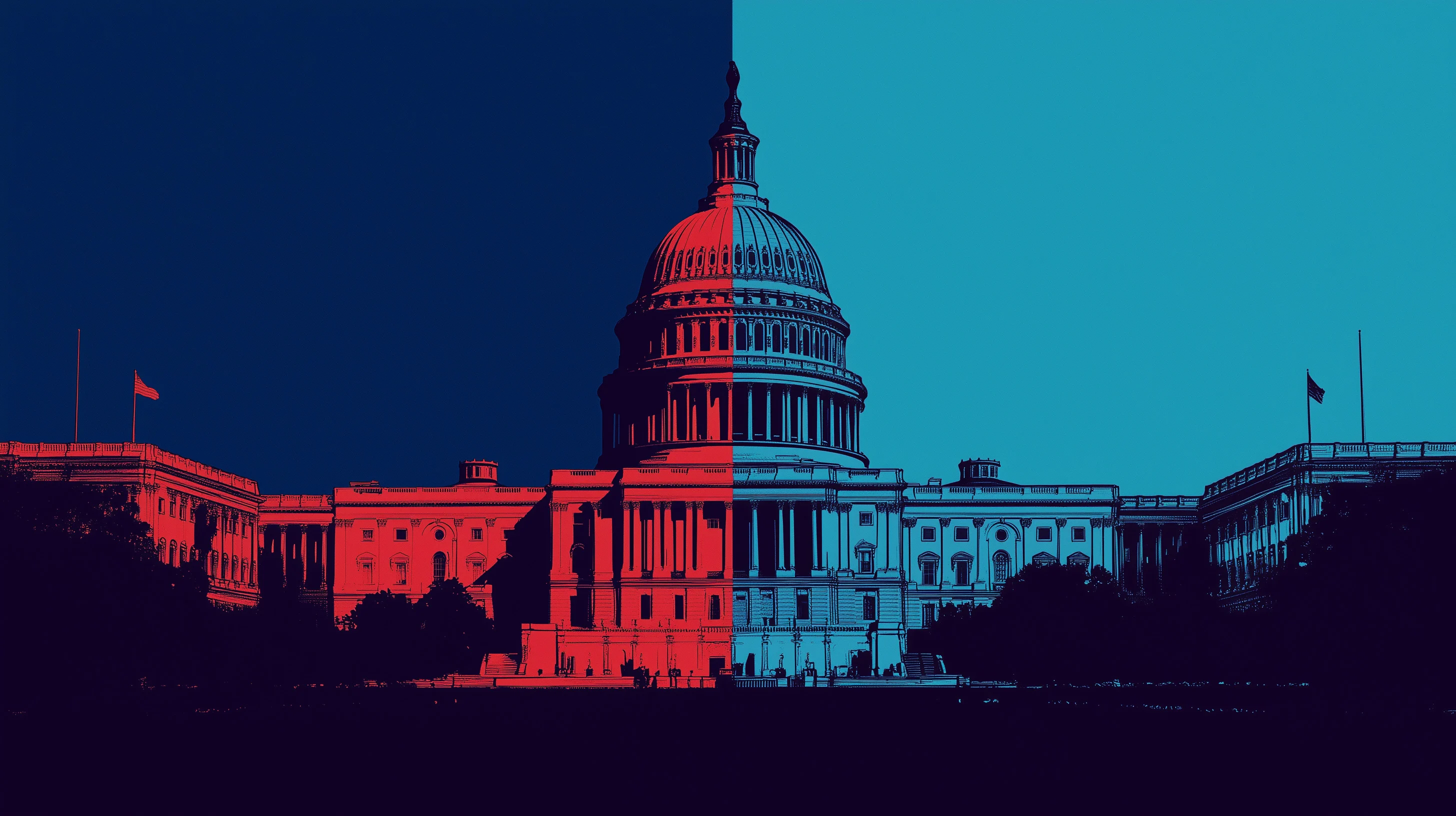
BOSTON — As the United States barrels toward one of its most consequential elections in modern history — a face-off between current vice president Kamala Harris and former president Donald Trump — business leaders are feeling the heat.
It's not just the outcome on Nov. 5, but the potential shockwaves that could follow. Will we see days or weeks of uncertainty without a declared winner? Will political tensions poison the workplace? Will there be political violence, and if so, where? And how will the winners affect issues ranging from taxes to climate policies?
At Harvard Business School’s Institute for Business in Global Society (BiGS), we understand that the prospect of this election — and its aftermath — make CEOs and board members nervous. Uncertainty can keep business leaders awake at night. And that’s why we’re working in real time to create the first-ever BiGS Election Guide for business leaders, offering insights from experts to help you navigate the turbulent weeks and months ahead.
As companies game plan different scenarios and their potential responses behind closed doors, BiGS’ editorial team is collaborating with more than a dozen faculty across Harvard and a similar number of business leaders, democracy activists, policy experts, and others who are analyzing the potential impacts of a Trump or a Harris presidency.
Over the coming weeks, we’ll explore in a series of straightforward stories how the candidates’ dramatically different agendas could affect everything from trade and labor to diversity and environmental regulations. After the election, we’ll package these insights into a comprehensive guide to what lies ahead. This will be a go-to resource, helping you navigate not only the immediate chaos of the election, but also the long-term shifts that undoubtedly will follow.
Here are some of the BiGS Election Guide articles and columns to expect in the run-up to Election Day:
An exploration of the role of the state by Debora Spar, professor and senior associate dean at Harvard Business School and leader of BiGS
An overview of U.S-China relations by Jim Matheson, senior lecturer at HBS and board director for investment groups, including Breakthrough Energy
A look at how U.S. trade policies are likely to evolve, including commentary by Harvard professor Willy Shih, who studies the impact of globalization on competitiveness and the evolution of global supply chains
The impact of this election on gender equality, women’s rights, and the well-being of workers, including commentary from Sandra Sucher, a professor of management practice at HBS
The impact of U.S. politics
Let’s face it — politics is no longer confined to Washington, DC. It’s in the boardroom, on the factory floor, and on every conference call, even if it’s only someone quietly scrolling through TikTok instead of focusing on the business at hand. The stakes for the business world could not be higher. Whether it's grappling with affirmative action and reproductive rights, or managing the complexities of a more polarized workforce, this election’s outcome has the potential to shape the core of how companies operate.
According to the 2023 Edelman Trust Barometer, which has measured the influence of trust across societal institutions globally for two decades, only 20% of employees in the United States and 26 other countries are willing to work with colleagues who strongly disagree with their point of view. That’s a problem for any company trying to foster collaboration in this divided climate. Yet, while many Americans are skeptical about companies weighing in on political issues — only 38% of U.S. adults want to hear a corporate opinion, according to the Bentley-Gallup Business in Society Report — there’s still a strong call for companies and CEOs to step up on issues like climate change, economic inequality, and healthcare.
In Edelman’s 2024 Trust Barometer, almost two-thirds of the United States and 27 other countries surveyed say they expect CEOs to “manage changes occurring in society, not just those occurring in their business.” Those numbers soar to near — and sometimes above — 80% on issues such as future job skills and the ethical use of technology.
Clearly, businesses have a leadership role to play — and that’s the balancing act executives must navigate. For companies such as Target, Starbucks, and Harley-Davidson, which have embraced and, in some cases, rejected diversity, equity, and inclusion (DEI) and LGBTQ+ issues, the stakes are even higher. Boycotts and lawsuits from opposing factions are just the beginning. A real question for CEOs is how to navigate these cultural and political minefields while staying true to your company values.
That’s where the BiGS election series can help. We’ll provide you with critical insights into the policies of both Harris and Trump, giving you the knowledge to make informed decisions for your company. From gender equality to climate action, we’ll break down what each candidate’s vision means for your business strategy and the future of your workforce.
The election is only the beginning. What happens next will reverberate through every sector of the economy. We hope our guide will help you steer your business through these unprecedented times.
Buckle up. It’s going to be a wild ride.
HOW TO ENGAGE WITH HBS BiGS
More on Purpose of the Firm
Actionable insights in your inbox
Get the latest insights from BiGS delivered to your inbox daily