BiGS Actionable Intelligence:
BOSTON — The Institute for Business in Global Society (BiGS) will hold its second debate this year on Nov. 5 at 5:30 p.m. Eastern, taking on a timely question: Is the world better off without free trade?
The debate will take place before an audience of students, faculty, alumni, and the public in Klarman Hall on the Harvard Business School campus in Boston. It will also be streamed. Registration is now open to see it live or participate online.
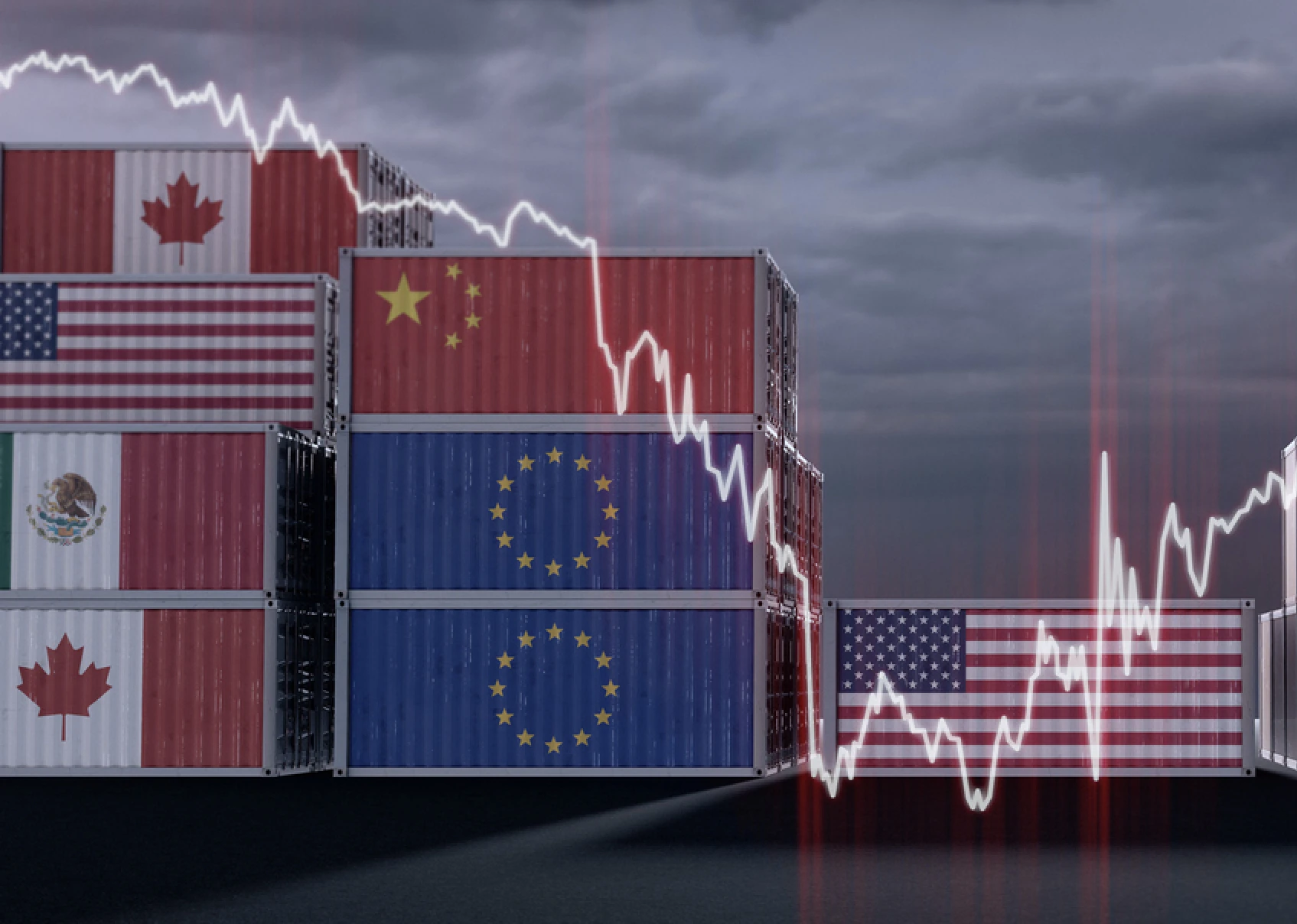
The debate comes as trade policy becomes an increasingly important part of the economic conversation, impacting everything from the price of groceries to U.S. relations with China, the EU and Canada. In recent months, global trade policies have forced companies to think hard about supply chains, costs, inventory, markets and pricing as they work to navigate a continually changing landscape. Companies such as Apple, Nike, Walmart an many others have said they are feeling the impact.
Trade is also an issue that U.S. voters care about. In the 2024 election, almost two thirds of registered voters (62%) said trade was an issue that could influence their vote, according to a Gallup poll weeks before voters cast their ballots. While it was nowhere near the top issue (it ranked 20th), trade affects almost every county in America in some way and it can have a major impact on the U.S. economy overall — and that was the No. 1 concern among voters.
“Trade is one of those areas that can impact the quality of life at home and our relations abroad,” said Debora Spar, a professor and senior associate dean at Harvard Business School. “It affects everything from food and pharmaceuticals to diplomacy—and there are huge changes taking place.”
U.S. trade policy is changing
President Donald Trump moved aggressively on trade at the start of his second term, issuing a proclamation his first day in office that declared an "America First Trade Policy,” which he said would protect American industry from unfair foreign competition.
Soon afterward, Trump imposed punishing tariffs on even America’s friendliest trading partners, something presidents have the unilateral authority to do. He also signaled his intentions to withdraw from — or at least renegotiate — landmark trade pacts such as the United States-Mexico-Canada-Agreement, which replaced NAFTA and was negotiated during the first Trump administration. And he has talked about devaluing the U.S. dollar to support American exporters.
“This is one of the most important days in my opinion in American history,” Trump said as he announced some of the new tariffs in April. “For years, hardworking American citizens were forced to sit on the sidelines as other nations got rich and powerful, much of it at our expense, but now it's our turn to prosper.”
Trump has long complained that he believes other countries take advantage of the United States when it comes to trade, imposing taxes on U.S. imports that make them more expensive.
In his second term, Trump has been far more aggressive — and unpredictable — in his tariff policy. On April 2, a day Trump called “Liberation Day,” the president announced plans to impose 10% across-the-board tariffs on most countries, with some reciprocal tariffs reaching 50%. When that rattled the markets, Trump repeatedly paused or delayed tariffs — 27 times between April 2 and July 7, according to a count by Forbes magazine.
The U.S. trade deficit, meanwhile, continues to widen. In May, the global trade deficit was $71.5 billion, up from April's $60.3 billion. The biggest gap was with the European Union ($22.5 billion in May). However, the trade deficit with China narrowed in May, going to $14 billion from $19.7 billion in April. The U.S. dollar has also gotten weaker this year, dropping by 10.8% in the first half of 2025. That helps American exporters, because their products are cheaper to buy.
The Council on Foreign Relations wrote in April that there is substantial disagreement among economists over how much trade deficits matter and how they should be addressed.
“Many economists and trade experts do not believe that trade deficits hurt the economy and warn against trying to ‘win’ the trade relationship with particular countries,” the report said. “Others, however, believe that sustained trade deficits can be a problem. There is substantial debate over what policies, if any, should be pursued to reduce them.”
The BiGS Debate Series
The goal of the BiGS Debate Series is to discuss significant and controversial issues facing business and society. BiGS is a platform for research and actionable insights around issues where business and society overlap — and occasionally collide — such as climate change, inequality, and economic mobility. The debate series is designed to probe at tough questions and help model open, civil, serious intellectual engagement in which people are encouraged to consider both sides of an issue — and potentially even change their minds. The debate will feature experts arguing for each side, all covering whether free trade policy serves the interests of workers, companies, and nations. Participants in the debate will be announced in coming weeks. The audience will vote and indicate where they stand on trade both before and after the debate.
The debate series began in April with an event that tackled the question, “Is Big Tech too big?” The 90-minute debate attracted an audience of more than 500 people and featured distinguished voices in technology policy, economics, and government. You can see the full debate here.
“The goal of our series is not just to argue and win,” Spar said. “The goal is to have healthy discussion, identify common ground and gain a deeper understanding of the questions we face as a nation.”