Climate hazards are already reshaping the risks facing people, property, and infrastructure. How can we organize capital to reduce those risks before disaster strikes?
The problem is already here
Hazard adaptation means reducing physical risk before disaster strikes.
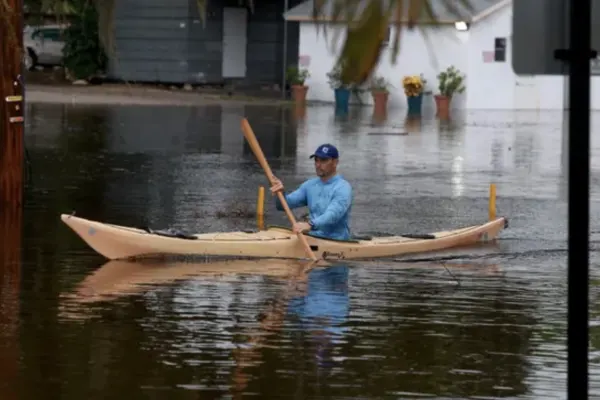
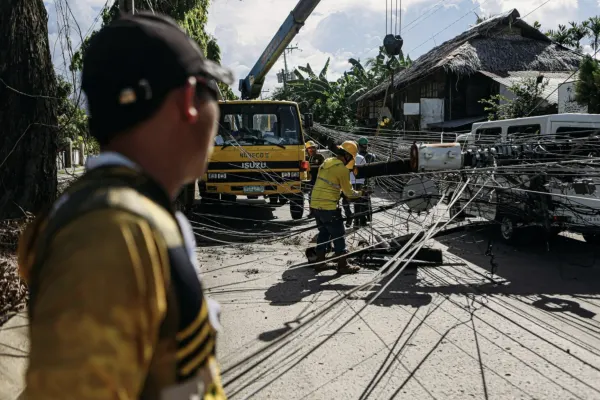
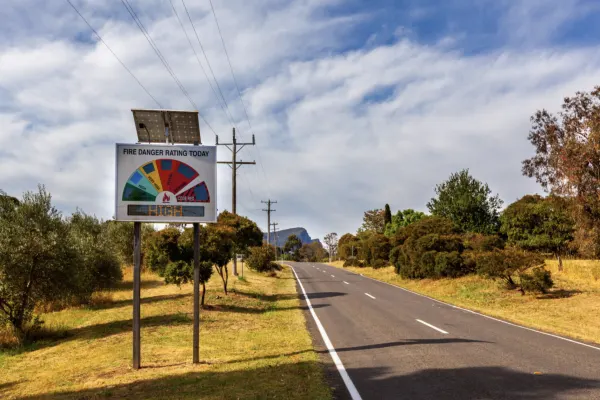
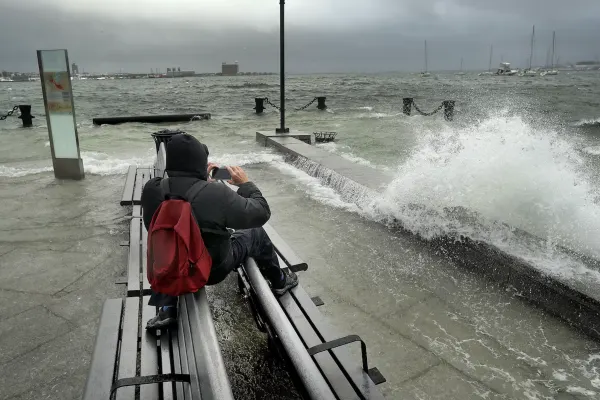
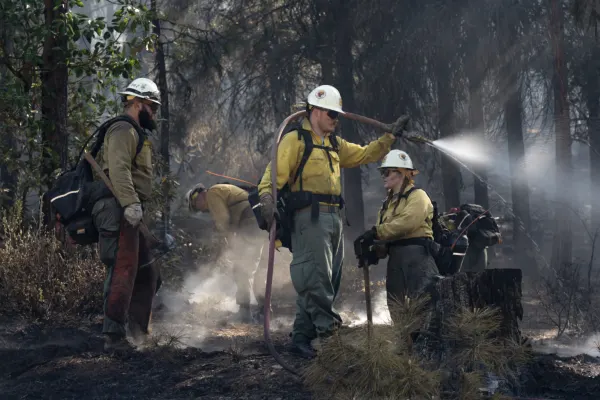
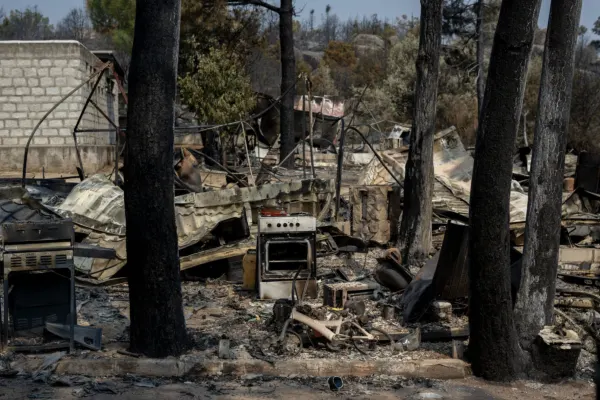
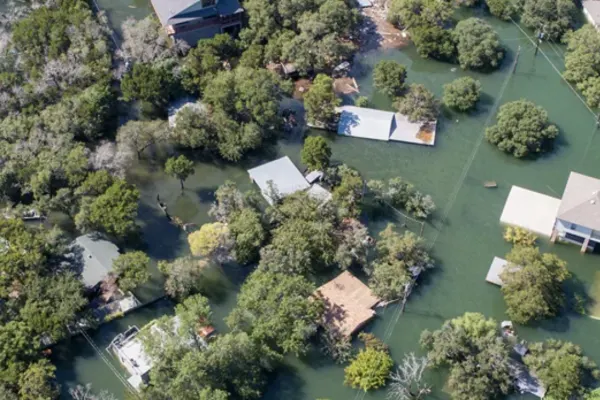
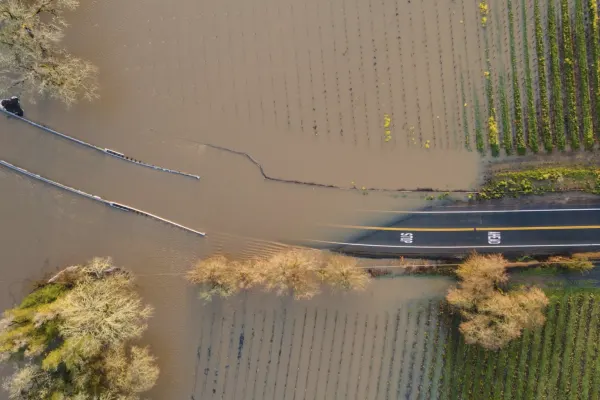
Flooding, wildfire, extreme heat, drought, storm surge, sea-level rise, and other hazards are putting growing pressure on communities, businesses, infrastructure, and financial systems. The challenge is not only understanding what may happen but also deciding what to protect, which investments will build resilience, and how to organize capital to pay for them.
The hazards are increasing. More and more people and more and more assets are at risk. The question now becomes: what are we going to do? And when we figure out what to do, who’s going to pay for it?
This resource page brings together research, videos, teaching materials, external perspectives, and real-world examples to help answer those questions. Developed in collaboration with the HBS Business & Environment Initiative.
Real-World Examples
See how cities, companies, insurers, and investors are confronting climate risk and financing adaptation in practice.
Coming soon following the October 8 workshop.
Explainer Videos
Short videos introducing the core ideas behind hazard adaptation, including risk, readiness, resources, capital allocation, and collective action. More videos will follow the October 8 workshop.
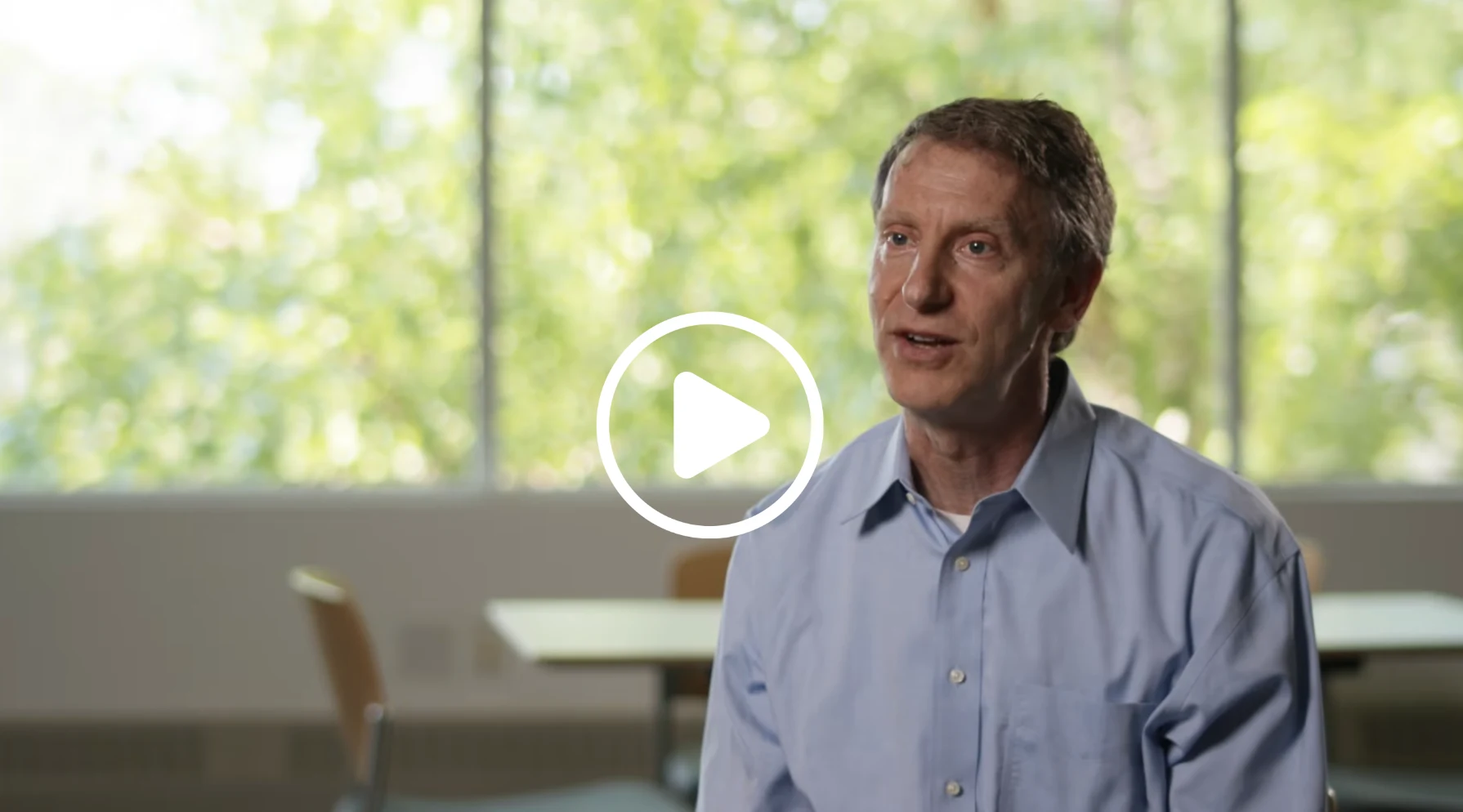
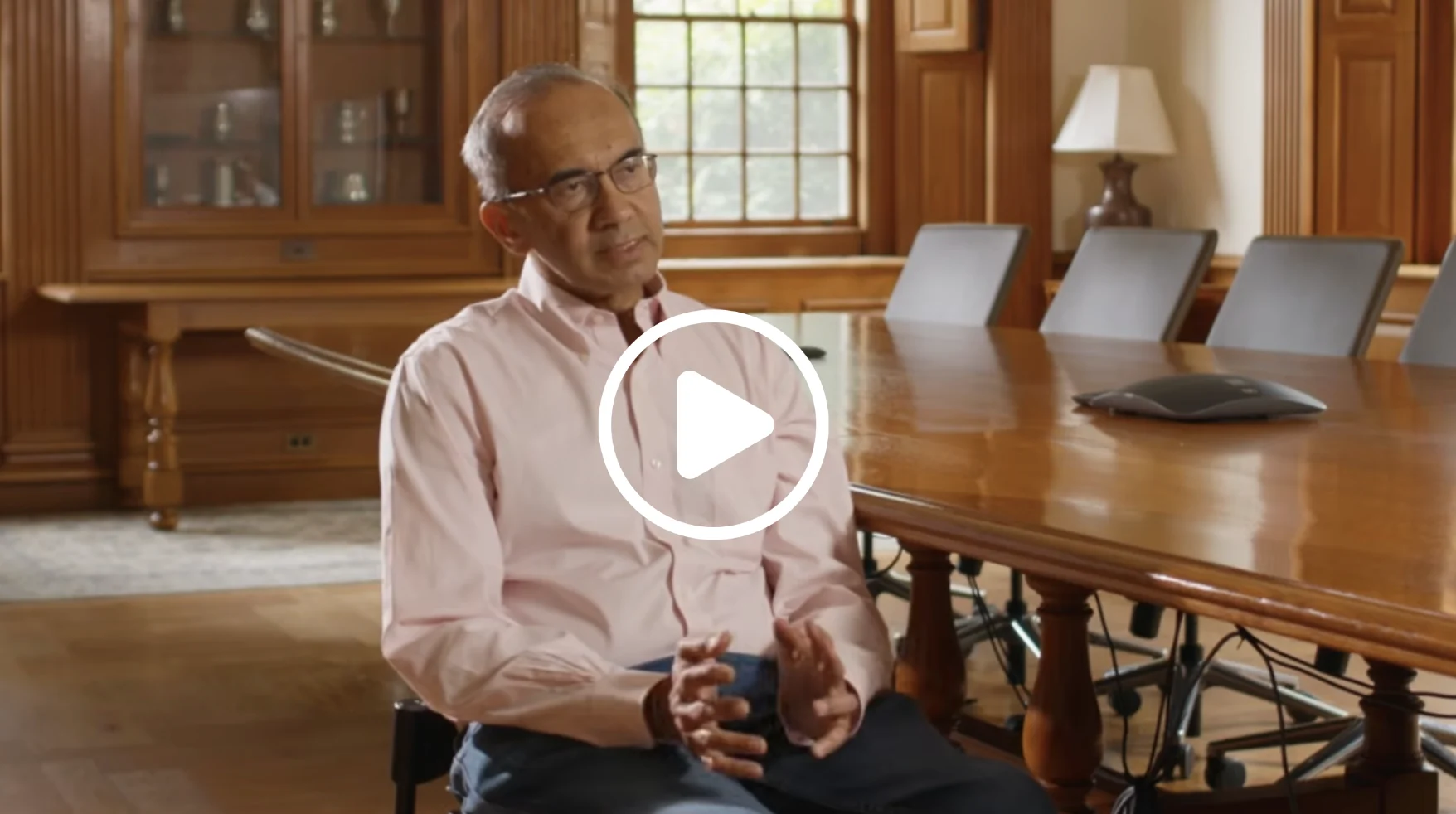
PlayVideo duration:1:44
Climate-related hazards are increasing, putting more people, property, and assets at risk. In this video, Harvard Business School Senior Lecturer John Macomber introduces a finance framework for understanding hazard adaptation through three lenses: risk, readiness, and resources. He explores why reducing risk at its source matters for mortgage companies and investors—and how private capital can help finance adaptation solutions at scale.
Climate Week Video Series: Risk, Resilience, and Decision-making in a Changing Climate
A series by the HBS Business and Environment Initiative, in collaboration with Probable Futures.
Tarun Khanna (Harvard Business School), Spencer Glendon (Probable Futures), and Anna B. Albright (Clema) discuss the wide-ranging challenges posed by dangerous temperatures and how businesses can innovate to protect workers.
Mike Toffel (Harvard Business School), Spencer Glendon (Probable Futures), and Giovanni Quaratesi (Certified Origins) use the case study of olive oil production in Europe to highlight how our changing climate is challenging business assumptions and ways climate literacy can make industries more resilient.
John Macomber (Harvard Business School), Spencer Glendon (Probable Futures), and Esther An (City Developments Limited) discuss how extreme heat and other climate impacts are testing the limits of our built environment and disrupting the real estate industry, and how we can adapt.
Watch Ishita Sen (Harvard Business School), Spencer Glendon (Probable Futures), and Pete Walther (Marsh Agency) break down how climate change is challenging long-standing assumptions in the insurance industry and ways insurance can evolve to meet increasing risk.
Tarun Khanna (Harvard Business School), Spencer Glendon (Probable Futures), and Anna B. Albright (Clema) discuss the wide-ranging challenges posed by dangerous temperatures and how businesses can innovate to protect workers.
Mike Toffel (Harvard Business School), Spencer Glendon (Probable Futures), and Giovanni Quaratesi (Certified Origins) use the case study of olive oil production in Europe to highlight how our changing climate is challenging business assumptions and ways climate literacy can make industries more resilient.
Insights
Expert perspectives and analysis on the economics, finance, and implementation of climate adaptation.
Harvard Publications
Harvard Business Review, The BiGS Fix, Working Knowledge, Climate Rising, Harvard Magazine
When financial markets measure the true value of preventing a disaster before it happens, protecting communities becomes a smart investment, and a vital safeguard for the people most at risk.
How do we ensure that our cities are resilient in the face of inevitable future weather events like Hurricane Sandy? John Macomber offers three ways that the private sector can take action.
The climate-finance gap cannot be solved by private capital alone. Peter Tufano makes the case for a whole-system approach that redesigns risk and returns to unlock trillions in investment.
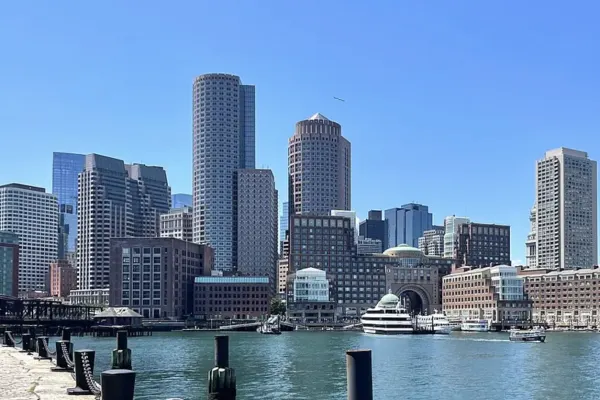
Boston narrowly escaped a major climate disaster. Now, investors and institutions face a critical question: Will they coordinate—and co-invest—to protect the city’s future?
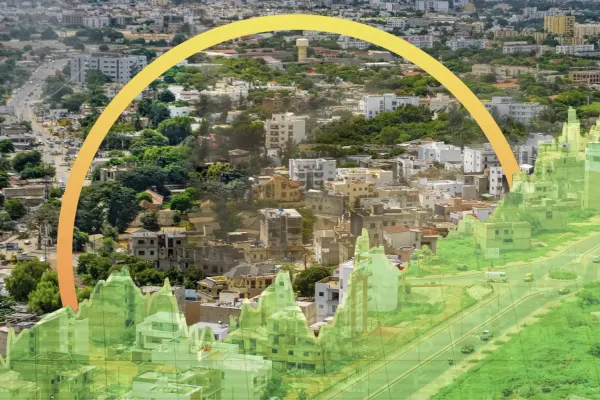
Africa needs more than climate commitments—it needs investable adaptation projects. Macomber shows how private capital can finance resilience while generating measurable economic and social returns.
Are there immediate steps business and government should take to address climate change? Somewhere between trillion-dollar solutions and the next eco-calamity are opportunities to take action, argues Macomber.
By 2050, 6 billion people will live in cities. John Macomber argues that private-sector investment in water, electricity, and transit can help make urban growth more sustainable, competitive, and resilient.
Could climate risk trigger the next financial crisis? Macomber explains why fires, floods, and storms are reshaping housing markets—and what policymakers and investors must do before the correction comes.
Can private capital help cities solve their biggest social challenges? Macomber explores how social impact bonds are giving skeptical investors a reason to participate.
As climate risks intensify, investors can’t build everywhere the same way. Macomber presents five strategies for deciding which assets to reinforce, redesign, restrict, or abandon.
Recurring extreme weather erases the recovery window, rendering traditional post-disaster reconstruction obsolete and forcing a shift toward strategic climate adaptation.
The most comprehensive assessment of urban climate flows and needs globally. It aims to inform action on mobilizing finance for city-level climate action at scale by 2030.
A practical guide to designing social infrastructure that can withstand physical climate risks—and meet the underwriting expectations needed to attract insurance and investment.
Research
Research and background reading on hazard adaptation, infrastructure finance, climate risk, urbanization, and the changing economics of resilience.
Boston’s coastal resilience plan is becoming an infrastructure pipeline. With potential flood damages exceeding $54 billion, this research explores how public and private investment can help protect Boston’s future.
By Michael Wara, Michael Mastrandrea, and Eric Macomber, Brookings
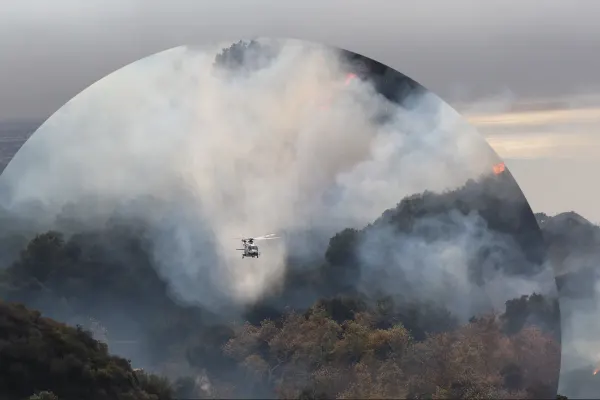
Utility-caused wildfires are becoming a systemic financial risk—threatening electricity rates, clean-energy investment, and housing markets. This research proposes a federal Utility Wildfire Fund to pool risk and incentivize prevention.
Disaster recovery is becoming a real estate investment risk. As federal support faces growing uncertainty, this research examines how property owners, cities, and private firms can finance resilience and keep local economies functioning.
New research maps the rising cost of protecting homes from wildfire—and shows where upfront investments in resilient construction, landscaping, and land-use planning could save lives, property, and public funds.
Books offering perspectives on climate risk, infrastructure, insurance, public investment, and resilience.
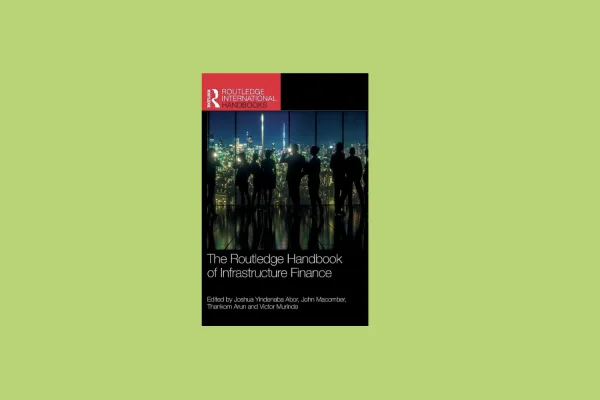
The Routledge Handbook of Infrastructure Finance
By Joshua Yindenaba Abor, John Macomber, Thankom Arun, and Victor Murinde A comprehensive guide to the financial tools, public-private partnerships, and investment strategies shaping the future of infrastructure.
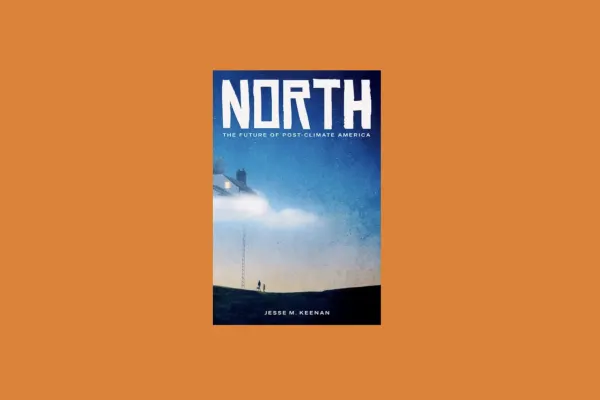
North: The Future of Post-Climate America
By Jesse M. Keenan
A forward-looking account of how climate-driven migration, economic change, and ecological shifts could reshape America—and create opportunities for a more sustainable future.
Understanding Disaster Insurance: New Tools for a More Resilient Future
By Carolyn Kousky
An accessible introduction to the complexities—and exciting possibilities—of risk transfer markets in the U.S. and around the world.
Case Studies
Teaching materials examining how businesses, insurers, investors, governments, and other institutions make decisions under climate risk and uncertainty.







 The Routledge Handbook of Infrastructure Finance
 North: The Future of Post-Climate America
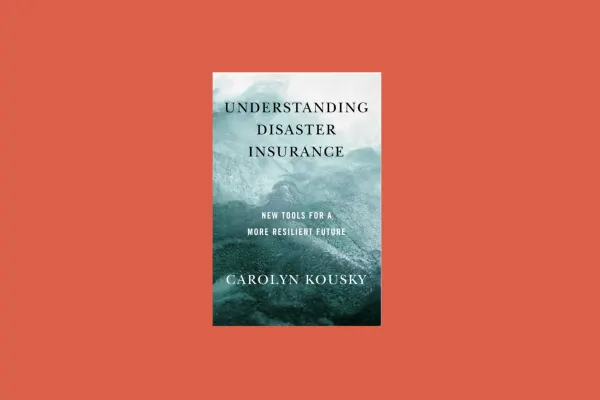 Understanding Disaster Insurance: New Tools for a More Resilient Future